






Product
Product
News
Cases
search
Safety Handrails: Your Invisible Guardians of Safety

2026-06-24 10:39:41

314

0

310

418
In daily life, we often overlook many safety measures, but in reality, they play an irreplaceable role in protecting the safety of ourselves and our families. Among these facilities, safety handrails stand out as an essential safety component. Whether in residential spaces, public venues, or industrial work environments, safety handrails provide necessary support and protection, effectively reducing the occurrence of accidental injuries. This article delves into the significance, categories, installation specifications and maintenance guidelines of safety handrails, helping you gain a comprehensive understanding of this critical safety facility.
1. The Core Significance of Safety Handrails
Safety handrails are far more than simple supporting structures — they carry vital safety functions. For the elderly, children and people with mobility impairments, handrails can drastically reduce the risk of falls and related injuries. According to public health research, the proportion of injuries caused by falls among the elderly has been rising year by year, and the widespread installation of safety handrails can effectively curb this trend.
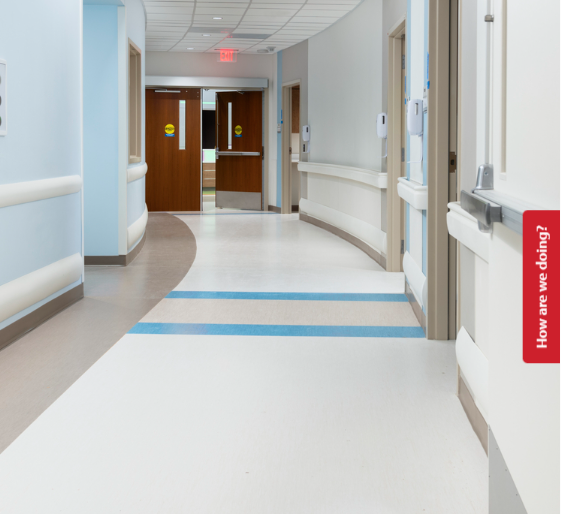
Beyond residential scenarios, the popularity of safety handrails in public spaces is equally critical. In high-foot-traffic locations such as hospitals, schools and shopping malls, properly installed handrails offer reliable protection for every individual, preventing accidents caused by crowd congestion or unsteady movement.
2. Common Categories of Safety Handrails
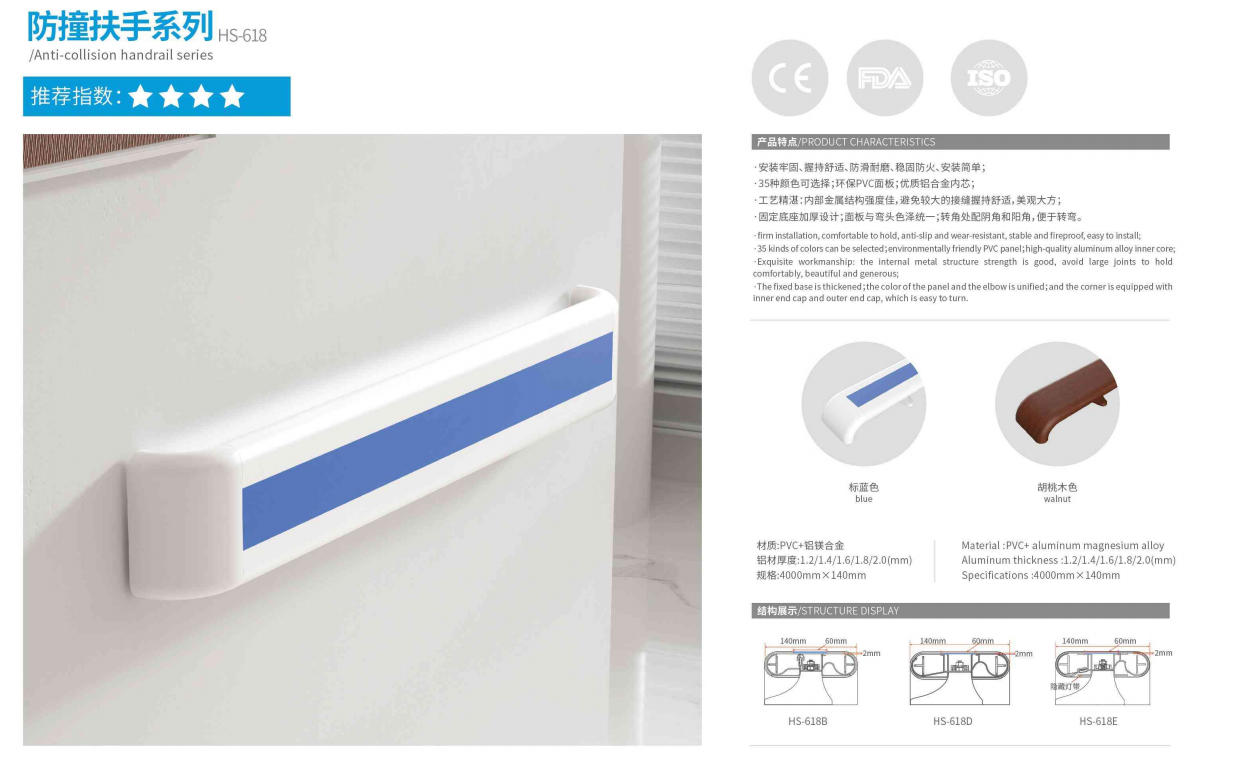
Safety handrails come in a wide range of types, each designed for specific usage scenarios:
-
Stair Handrails: Typically installed on both sides of staircases, they provide stable support for users during ascending and descending movements. When selecting stair handrails, it is essential to ensure a proper height and adopt anti-slip materials to enhance grip comfort and safety.
-
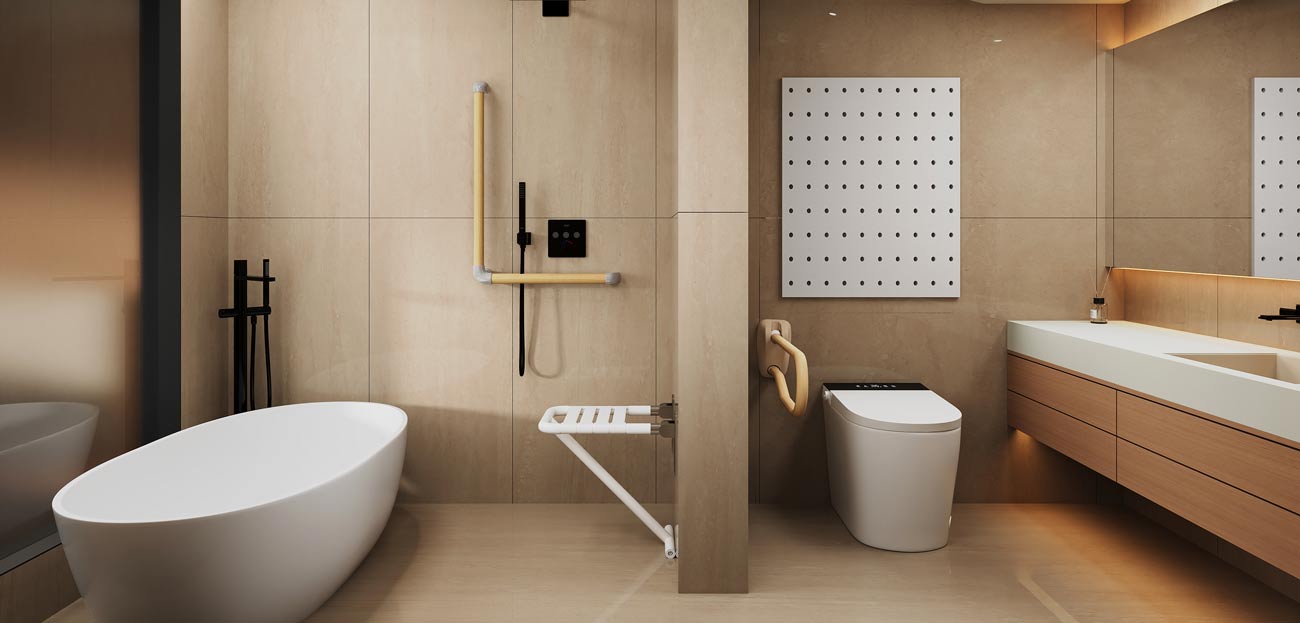
Bathroom Handrails: Installed in washrooms, these handrails help users maintain independence in daily activities. For the elderly and people with disabilities, they offer reliable auxiliary support when using washbasins and toilets.
-
Bathtub & Shower Handrails: The slippery environment in bathrooms makes falls highly likely, and installing handrails near bathtubs and shower areas can effectively prevent such accidents. Handrails with anti-slip surface treatment are strongly recommended for these scenarios.
-
Public Venue Handrails: Widely used in subways, buses and commercial centers, these handrails are mostly made of metal or high-performance plastics. Their design strictly complies with fire safety standards to balance durability and public safety requirements.
-
Mobile Handrails: Including crutches and walking aids, they provide flexible support and greatly improve the travel convenience for people with mobility difficulties.
3. Material Selection for Safety Handrails
The material of a safety handrail directly determines its safety performance and service life. The most commonly used materials include:
-
Stainless Steel: Thanks to its excellent corrosion resistance and structural strength, it is widely applied in public transport hubs, hospitals and other high-usage scenarios. Its minimalist modern appearance also makes it a popular choice for residential and commercial decoration.
-
Plastic: Suitable for scenarios with limited budget, it features light weight and rich color options, but its strength and impact resistance are inferior to stainless steel products.
-
Wood: A classic handrail material that delivers a warm and natural tactile experience. It requires regular maintenance to prevent performance degradation caused by moisture and humid environments.
-
Aluminum Alloy: Compared with stainless steel, it is lighter in weight, highly durable and rust-resistant, making it an ideal choice for outdoor installation scenarios.
4. Standard Installation Procedures for Safety Handrails
The installation of safety handrails is not a simple fixing process, and it must follow standardized procedures:
-
Location Planning: Identify the installation positions, prioritizing high-demand areas such as stair entrances, washrooms and shower spaces.
-
Height Measurement: The height of handrails should be adjusted according to the average height of target users, and the generally recommended installation height ranges from 90cm to 110cm.
-
Fixing Point Design: Based on the weight and tensile strength of the selected material, arrange proper fixing points, which usually use stainless steel or high-strength wooden support bolts.
-
Professional Construction: It is recommended to hire a professional construction team to complete the installation, to ensure the stability and load-bearing safety of the handrails.
5. Daily Maintenance Guidelines
Regular maintenance can greatly extend the service life of safety handrails and sustain their safety performance. Different materials require targeted maintenance methods:
-
Stainless Steel Handrails: Clean with neutral detergent and soft cloth. Avoid strong acidic or strong alkaline detergents, which may cause damage to the surface protective layer.
-
Wooden Handrails: Apply protective oil regularly to prevent moisture intrusion and wood decay. Do not rinse the surface directly with water during cleaning.
-
Plastic Handrails: Clean easily with water and mild soap, but avoid long-term exposure to direct sunlight to prevent material aging.
-
Aluminum Alloy Handrails: Wipe with a damp cloth to keep the surface clean and bright, no special complex maintenance is required.
6. Conclusion
As a non-negligible safety facility in daily life, the importance of safety handrails has become increasingly prominent. Whether in residential spaces, public venues or industrial environments, handrails provide solid safety protection for users with their thoughtful design and high-quality materials. When selecting, installing and maintaining safety handrails, we need to fully understand their types and characteristics, so that every safety detail can be properly implemented, to maximize the protection of personal and public safety.
Let us all pay attention to the necessity of safety handrails, and work together to build a safer and more harmonious living environment.
Comment 0
Hot News
Nov 04,2025

The Director of the Civil Affairs Bureau of Panjin City, Liaoning Province, visited Hang Seng Holdings Group for inspection and guidance, and jointly sought a new chapter in the development of the silver economy
In order to thoroughly implement General Secretary Xi Jinping's important instructions on aging work, on August 12th, the Director of the Civil Affairs Bureau...
View more
Dec 08,2025
Corner Protectors: The Ultimate Guide to Wall Corner Protection for Commercial & Residential Spaces
Corner Protectors: The Ultimate Guide to Wall Corner Protection for Commercial & Residential Spaces
View more
Jun 15,2026
Grab Bars have evolved beyond purely functional safety tools
Grab Bars have evolved beyond purely functional safety tools.
View more
Jun 15,2026
Corner Guards: The Cost-Effective Safety Upgrade That Reduces Workplace Accident Risk
Don’t Ignore Workplace Corner Hazards: How Quality Corner Guards Prevent Costly Accidents
View more
Hot Search Term
Pension
Health
Hospital
Hospital
MESSAGE
BOARD
Related Articles
Apartment Wall Panel Protection: The Smart Solution for Modern Living Spaces

Apartment Wall Panel Protection: The Smart Solution for Modern Living Spaces
Apartment Wall Panel Protection: The Smart Solution for Modern Living Spaces
View more
Hospital Corridor Safety Solutions: Anti-Slip Flooring, Protective Handrails & Wall Panels for Full-Circle Facility Protection
Hospital Corridor Safety Solutions: Anti-Slip Flooring, Protective Handrails & Wall Panels for Full-Circle Facility Protection
Hospital Corridor Safety Solutions: Anti-Slip Flooring, Protective Handrails & Wall Panels for Full-Circle Facility Protection
View more
Why Grab Bars Are Essential for Bathroom Safety of Seniors and Disabled Individuals?
Why Grab Bars Are Essential for Bathroom Safety of Seniors and Disabled Individuals?
Why Grab Bars Are Essential for Bathroom Safety of Seniors and Disabled Individuals
View more
Corner Guards have high impact resistance
 Phone: 8613256161276
 Email: jinanhengsheng@zs567.net
 Postal Code:250000





Lu ICP No. 2024106453-2
Friendship links


8613256161276


jinanhengsheng@zs567.net


