




Product
Product
News
Cases
search
How to properly protect the walls? Are there any overall solutions for wall protection?

2026-06-24 10:48:47

433

0

254

367
How to properly protect the walls? Are there any overall solutions for wall protection?
Wall Protection Comprehensive Guide: One-stop Solution for Wall Protection with Anti-Collision Handrails and Wall Guards
Wall protection mainly includes measures such as anti-collision, moisture-proofing, anti-staining and structural reinforcement, including handrails. Anti-collision handrails are an important part of the wall protection system, serving both the functions of assisting walking and protecting the wall.
Core protective measures:
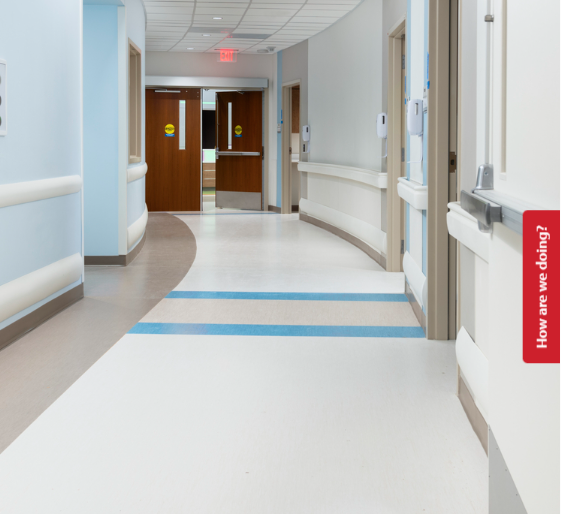
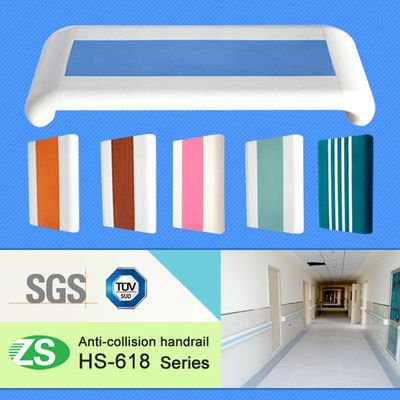
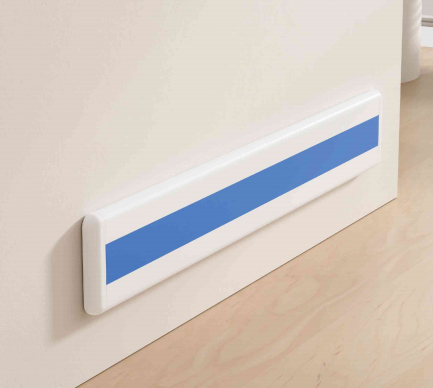
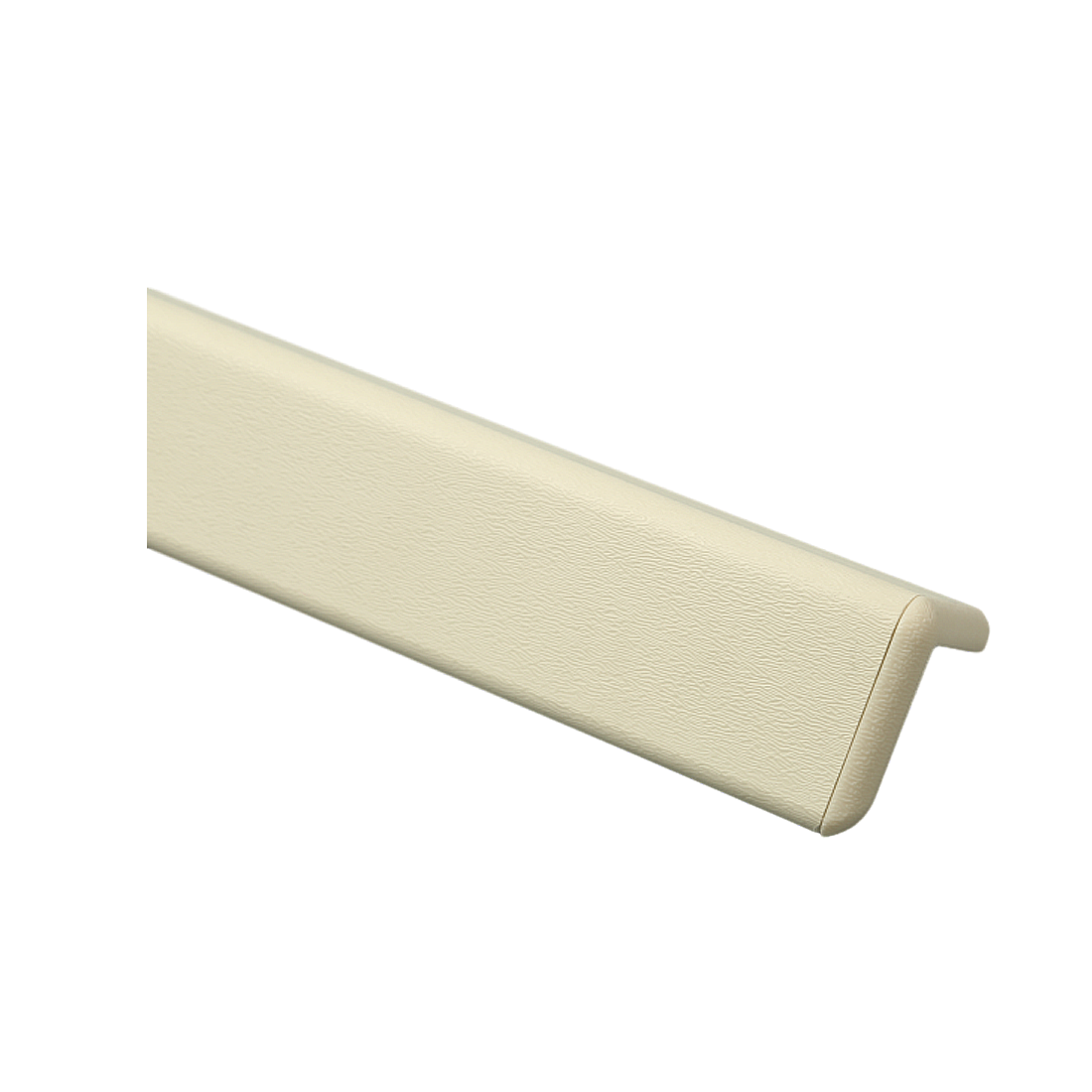
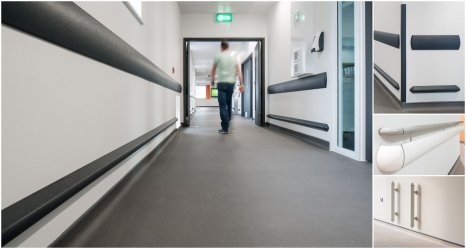
Install anti-collision handrails: Composed of PVC/ABS panels and aluminum alloy cores, they absorb impact forces through elasticity to prevent hard objects from directly damaging the walls. They are commonly used in hospitals, nursing homes, and corridors.
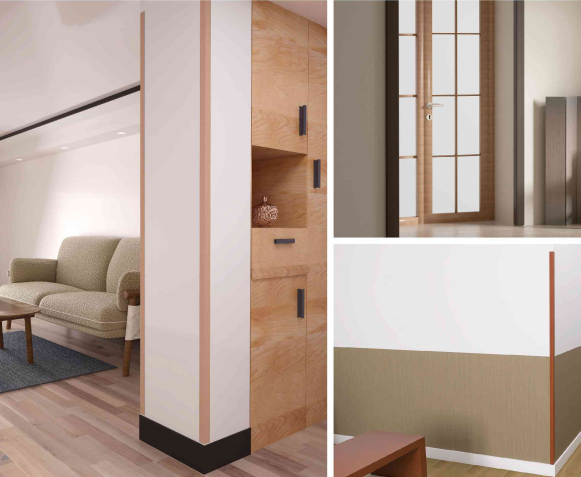
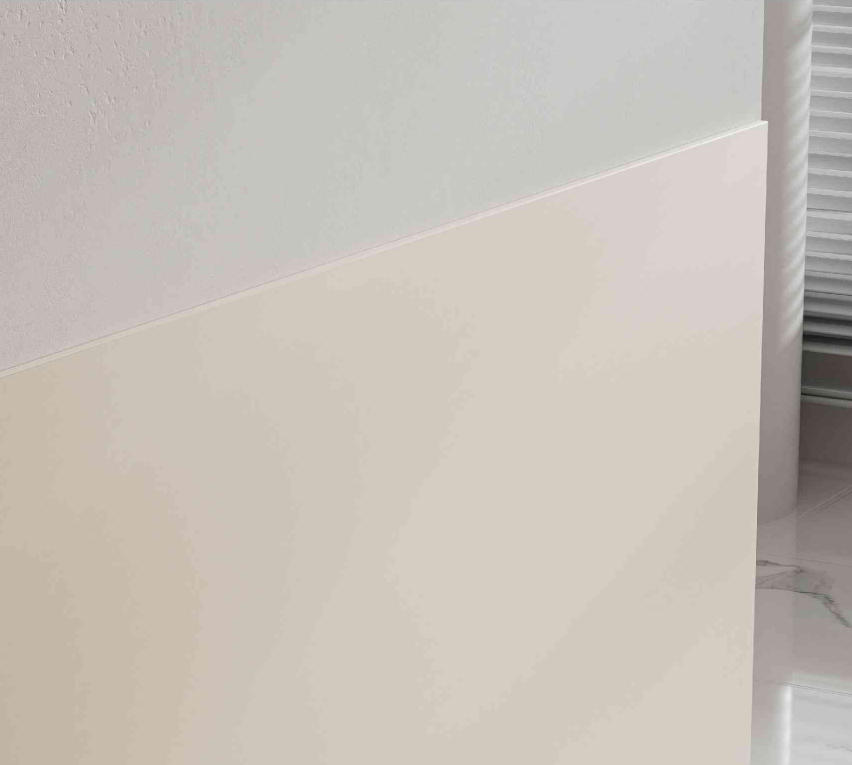
Lay wall protection panels: Install strip-shaped or entire panels (such as solid wood composite or plastic sealed packaging materials) at the lower part of the walls. They are shock-resistant and easy to clean, effectively resisting daily bumps.
Use anti-collision corner/strip guards: Install dedicated guards for vulnerable areas such as corners and door edges to avoid wall peeling caused by sharp collisions.
Description of the armrests
It is a safety measure: The anti-collision armrest is not only an accessibility facility, but its "protective wall" feature clearly places it within the category of wall protection. It can reduce the direct impact of trolleys, wheelchairs or human bodies on the wall.
Key parameters: The installation height is usually 850mm-900mm (for double layers, it can be set at 650mm-700mm), the spacing of the support frame is 800mm-1000mm, and it is necessary to ensure that the load exceeds 100kg and maintain a gap of more than 40mm with the wall to prevent the back of the hand from rubbing against the wall.
Applicable scenarios: Widely used in corridors, stairs, bathrooms and wards. It needs to be fixed with expansion bolts or through-wall bolts according to the wall material (concrete, hollow bricks, etc.).
It is recommended to combine the above measures according to the usage scenario (such as public institutions focusing on anti-collision and antibacterial, and families focusing on moisture-proof and wear-resistant). To achieve the best protective effect.
Comment 0
Hot News
Nov 04,2025
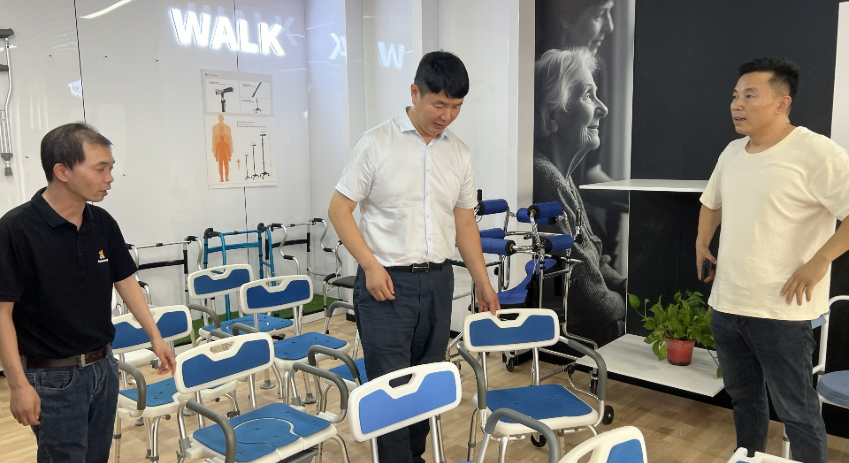
The Director of the Civil Affairs Bureau of Panjin City, Liaoning Province, visited Hang Seng Holdings Group for inspection and guidance, and jointly sought a new chapter in the development of the silver economy
In order to thoroughly implement General Secretary Xi Jinping's important instructions on aging work, on August 12th, the Director of the Civil Affairs Bureau...
View more
Dec 08,2025
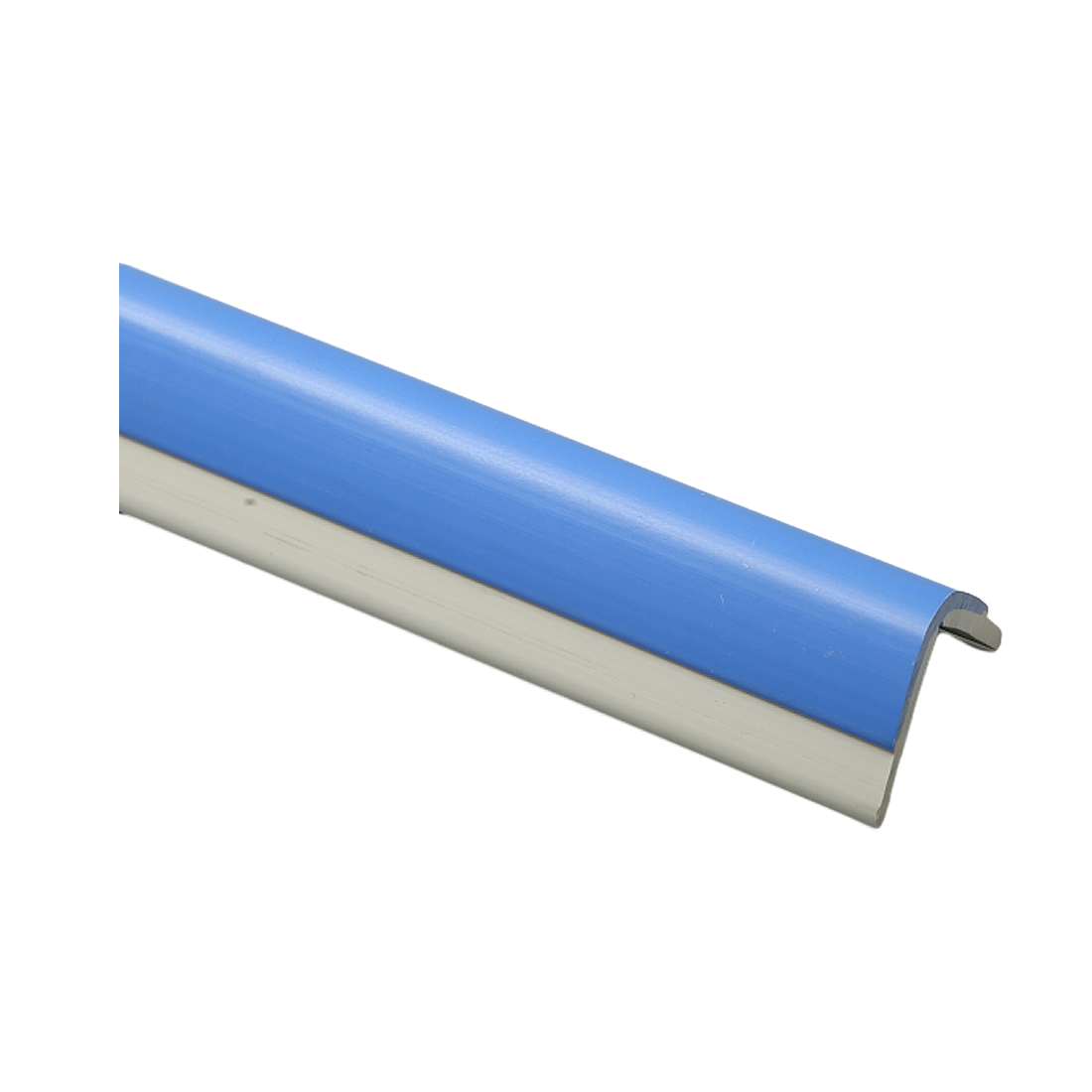
Corner Protectors: The Ultimate Guide to Wall Corner Protection for Commercial & Residential Spaces
Corner Protectors: The Ultimate Guide to Wall Corner Protection for Commercial & Residential Spaces
View more
Jun 15,2026
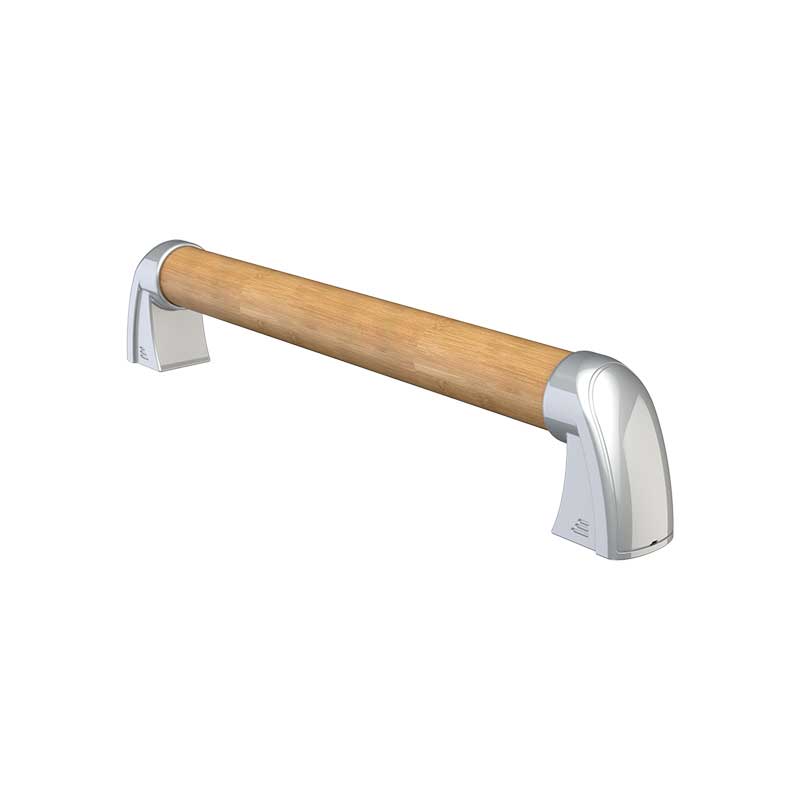
Grab Bars have evolved beyond purely functional safety tools
Grab Bars have evolved beyond purely functional safety tools.
View more
Jun 15,2026
Corner Guards: The Cost-Effective Safety Upgrade That Reduces Workplace Accident Risk
Don’t Ignore Workplace Corner Hazards: How Quality Corner Guards Prevent Costly Accidents
View more
Hot Search Term
Pension
Health
Hospital
Hospital
MESSAGE
BOARD
Related Articles
How Does Interior Building Protection Improve Patient Care in Healthcare Facilities?
How Does Interior Building Protection Improve Patient Care in Healthcare Facilities?
How Does Interior Building Protection Improve Patient Care in Healthcare Facilities?
View more
The Director of the Civil Affairs Bureau of Panjin City, Liaoning Province, visited Hang Seng Holdings Group for inspection and guidance, and jointly sought a new chapter in the development of the silver economy
The Director of the Civil Affairs Bureau of Panjin City, Liaoning Province, visited Hang Seng Holdings Group for inspection and guidance, and jointly sought a new chapter in the development of the silver economy
In order to thoroughly implement General Secretary Xi Jinping's important instructions on aging work, on August 12th, the Director of the Civil Affairs Bureau...
View more
 Phone: 8613256161276
 Email: jinanhengsheng@zs567.net
 Postal Code:250000





Lu ICP No. 2024106453-2
Friendship links


8613256161276


jinanhengsheng@zs567.net


