




Product
Product
News
Cases
search
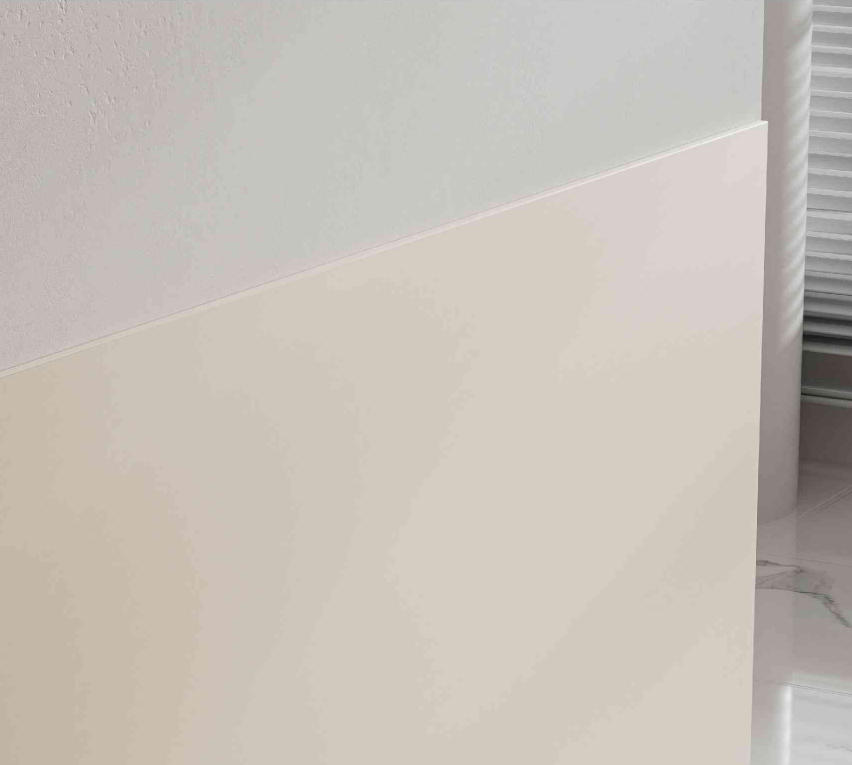
What is a Full-Wall Protection System and How Much Does It Cost?

2026-06-29 10:57:13

324

0

358

197
When managing high-traffic commercial, educational or healthcare facilities, standard wall paint and basic wainscoting often fail to withstand daily impacts, scratches and stains. A professional full-wall protection system provides a comprehensive solution that combines impact resistance, hygiene maintenance and aesthetic integrity, significantly extending wall lifespan while reducing long-term maintenance costs. This article breaks down the key components of a modern full-wall protection system and provides transparent budget estimates for different project scales.
Core Components of a Full-Wall Protection System
A complete system typically includes the following four layers, each addressing specific protection needs:
1. Impact-Resistant Wall Panels
These form the primary physical barrier against collisions, scratches and vandalism.
Material Options: 6mm thick PVC wall panels, 8mm solid phenolic boards, or 12mm high-density HDPE sheets. PVC panels offer the best cost-performance balance for most scenarios, while phenolic boards provide superior fire resistance for healthcare and laboratory environments.
Coverage Height: Standard installation covers the bottom 1.2 meters (4 feet) – the zone most vulnerable to impacts from furniture, equipment and human contact. For areas with higher risk such as corridors, gyms and cafeterias, full-height coverage up to 2.4 meters (8 feet) is recommended.
Key Features: Anti-bacterial coating (especially for healthcare settings), scratch-resistant surface, seamless interlocking design that prevents dirt accumulation in joints, and Class A fire rating for commercial compliance.
2. Corner & Edge Protection Guards
Corners and edges experience 3x more impact than flat wall surfaces. Specialized protection is crucial here.
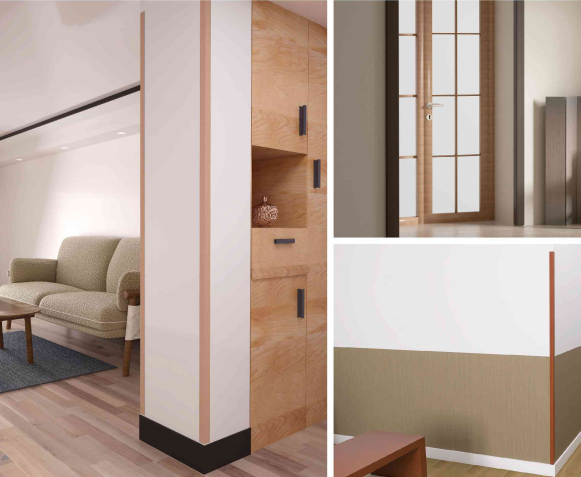
Corner Guards: Made from heavy-duty PVC or rubber, these cover both internal and external corners with impact-absorbing design. Standard heights range from 1.2m to 2.4m depending on traffic patterns.
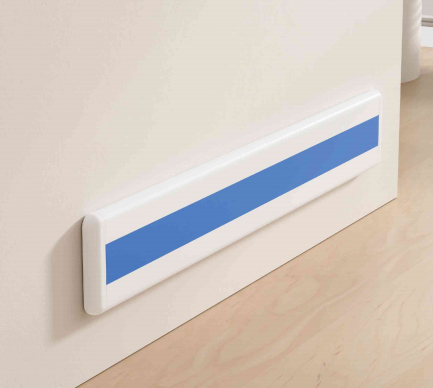
Edge Protectors: Installed along wall edges where carts, beds or equipment frequently pass, these prevent wall chipping and paint damage. Aluminum or stainless steel edges with rubber inserts provide maximum durability.
Door Frame Protectors: Often overlooked, door frames suffer significant wear. Reinforced PVC or aluminum frame covers extend door frame lifespan by 8-10 years.
3. Handrail Integration System
For healthcare, senior living and educational facilities, handrails must integrate seamlessly with wall protection.
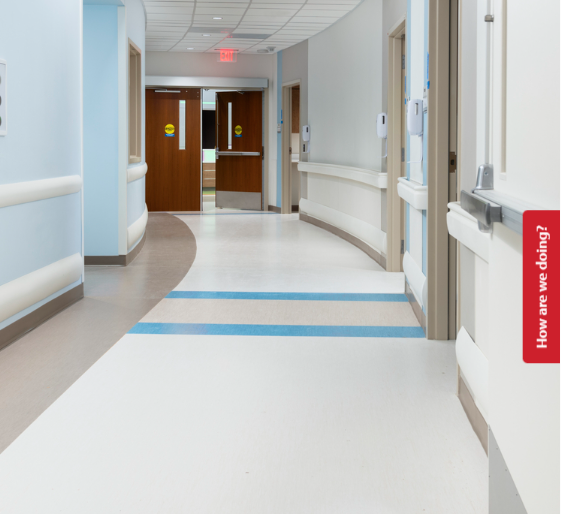
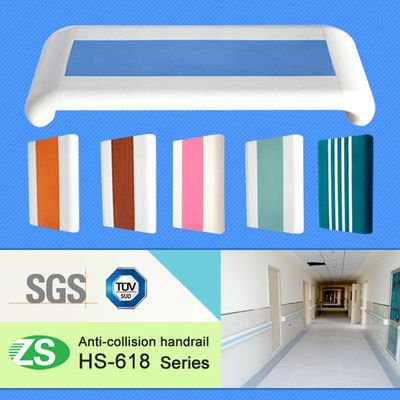
Continuous Support Rails: 1.2m high ergonomic handrails mounted directly onto wall panels, providing uninterrupted support along corridors. Load capacity up to 200kg ensures safety for all users.
Material Compatibility: Handrail brackets designed specifically for wall panel systems, avoiding drilling into structural walls and maintaining waterproof integrity.
ADA Compliance: All handrail installations meet ADA height (34-38 inches) and diameter (1.25-2 inches) requirements for accessibility.
4. Hygiene & Maintenance Layer
The final protective layer ensures easy cleaning and long-term appearance preservation.
Anti-Graffiti Coating: Permanent protective coating that allows markers, paints and stains to be wiped off without damaging the underlying surface.
Anti-Microbial Treatment: Silver-ion based treatment inhibits bacterial growth on surfaces, crucial for healthcare and food service environments.
UV-Resistant Finish: Prevents color fading in areas with direct sunlight exposure, maintaining consistent appearance for 10+ years.
Budget Estimates for Different Project Types
Costs vary significantly based on material selection, coverage area and installation complexity. Below are realistic estimates for common project scales:
1. Standard School Corridor Protection
Scope: 100-meter corridor, 1.2m high protection on both sides
Materials: PVC wall panels + rubber corner guards + integrated handrails
Installation: Professional installation with minimal disruption (after hours/weekends)
Total Cost:
8,500
−
8,500−12,000
Breakdown: Materials
5
,
200
−
5,200−7,500 | Labor
2
,
800
−
2,800−3,500 | Design & Planning
500
−
500−1,000
Long-term Value: Reduces repainting frequency from every 2 years to every 8-10 years, saving approximately $4,000 in maintenance per 100m corridor every decade.
2. Healthcare Facility Full-Height Protection
Scope: 50 patient rooms + main corridors, full-height protection up to 2.4m
Materials: Phenolic boards + antimicrobial coating + reinforced corner protection
Installation: Phased installation to maintain facility operations
Total Cost:
45
,
000
−
45,000−68,000
Breakdown: Materials
32
,
000
−
32,000−48,000 | Labor
11
,
000
−
11,000−17,000 | Custom fabrication
2
,
000
−
2,000−3,000
ROI: Eliminates annual wall repair costs of
6
,
000
−
6,000−8,000, meets infection control standards, and extends wall lifespan to 15+ years.
3. Commercial Building High-Traffic Area Package
Scope: Lobby, elevator areas, and main corridors in office building
Materials: HDPE sheets + anti-graffiti coating + decorative finishes
Installation: Fast-track installation during low-traffic periods
Total Cost:
22
,
000
−
22,000−35,000 (for approximately 500㎡ coverage)
Breakdown: Materials
15
,
000
−
15,000−23,000 | Labor
5
,
000
−
5,000−8,000 | Custom design
2
,
000
−
2,000−4,000
Value Proposition: Maintains premium appearance despite heavy use, reduces maintenance calls by 70%, and provides 10-year warranty on materials and installation.
Why Professional Installation Matters
DIY wall protection projects often fail due to improper material selection, inadequate substrate preparation, and poor seam handling. Professional installers provide:
Free Site Assessment: Identifying high-risk areas that need priority protection
Custom Fabrication: On-site cutting and fitting for perfect seams and corners
Warranty Coverage: 5-10 year warranty on both materials and workmanship
Code Compliance: Ensuring all installations meet local building and fire codes
Minimal Disruption: Strategic installation scheduling that doesn't interrupt daily operations
Most reputable suppliers offer free initial consultation and detailed quotation within 48 hours of site assessment. The typical project timeline ranges from 2 weeks for standard corridors to 8 weeks for full-facility healthcare installations.
Next Steps for Facility Managers
If you're considering a wall protection system for your facility, start with these three actions:
Document your current wall damage patterns – take photos of high-impact areas, note repair frequency, and estimate annual maintenance costs
Request samples from 2-3 reputable suppliers to compare material quality and aesthetics
Schedule free site assessments to get project-specific quotes rather than relying on generic per-square-foot estimates
The right wall protection system typically pays for itself within 3-5 years through reduced maintenance, longer repainting cycles, and decreased damage-related downtime. For facilities with high traffic, strict hygiene requirements, or accessibility needs, it's not just an expense – it's a long-term investment in operational efficiency and user safety.
Contact our team today for a free no-obligation site assessment and detailed quotation tailored to your specific facility needs. We have completed 150+ wall protection projects for schools, hospitals and commercial buildings, with an average client ROI of 42% in the first 5 years.
Comment 0
Hot News
Jun 29,2026
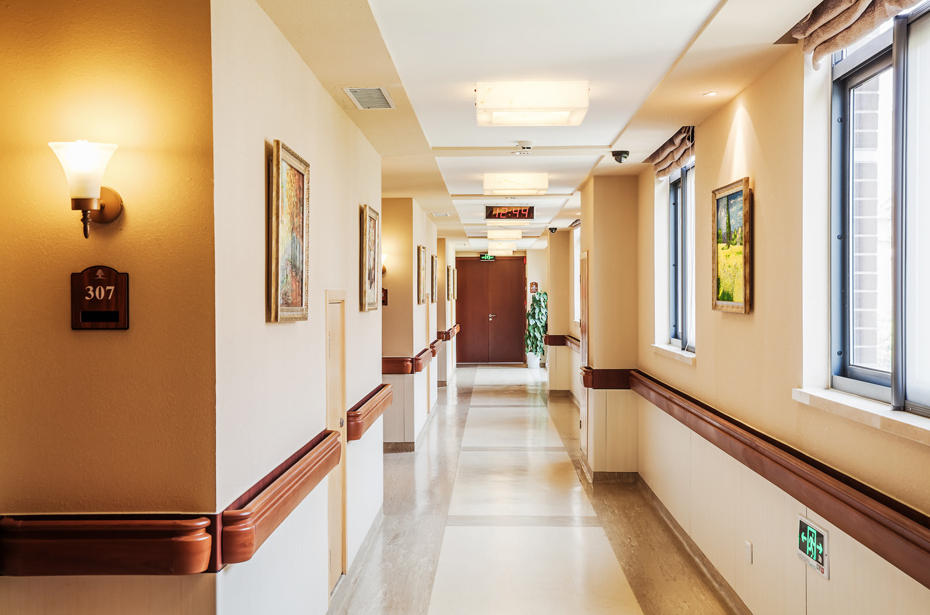
What is a Full-Wall Protection System and How Much Does It Cost?
What is a Full-Wall Protection System and How Much Does It Cost?
View more
Nov 04,2025
The Director of the Civil Affairs Bureau of Panjin City, Liaoning Province, visited Hang Seng Holdings Group for inspection and guidance, and jointly sought a new chapter in the development of the silver economy
In order to thoroughly implement General Secretary Xi Jinping's important instructions on aging work, on August 12th, the Director of the Civil Affairs Bureau...
View more
Dec 08,2025
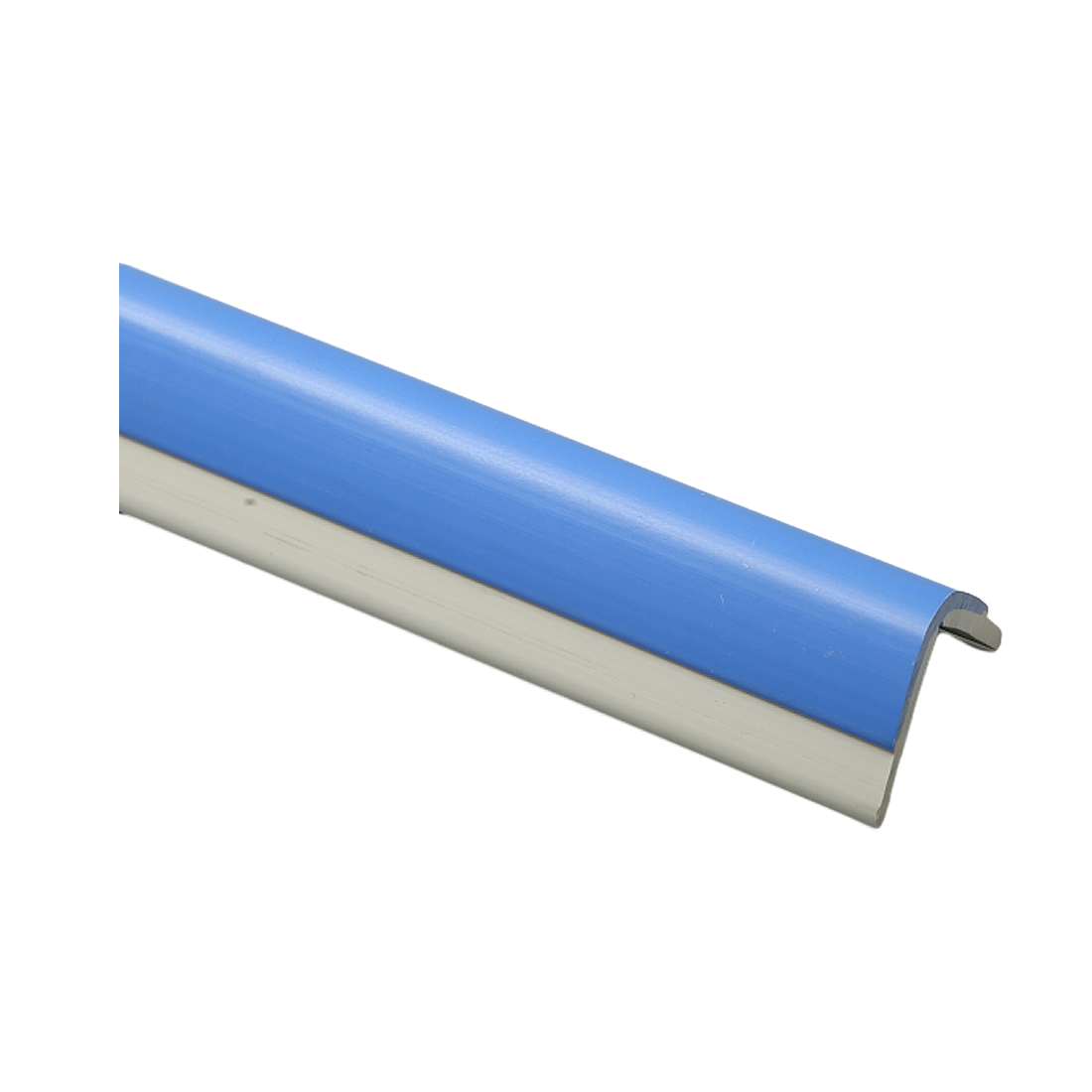
Corner Protectors: The Ultimate Guide to Wall Corner Protection for Commercial & Residential Spaces
Corner Protectors: The Ultimate Guide to Wall Corner Protection for Commercial & Residential Spaces
View more
Jun 15,2026
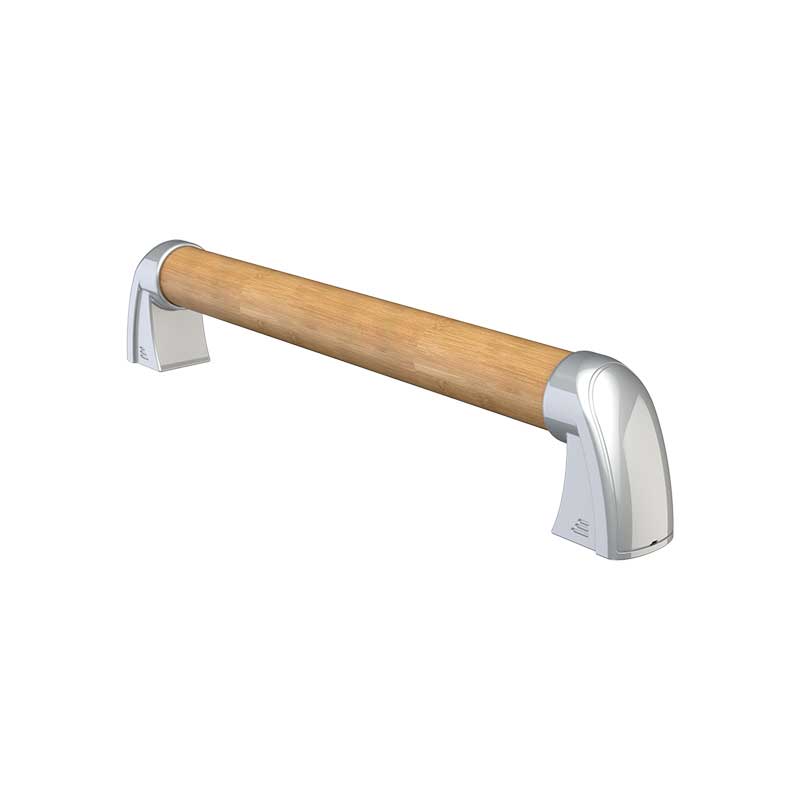
Grab Bars have evolved beyond purely functional safety tools
Grab Bars have evolved beyond purely functional safety tools.
View more
Hot Search Term
Pension
Health
Hospital
Hospital
MESSAGE
BOARD
Related Articles
How to do moisture-proof treatment on walls?
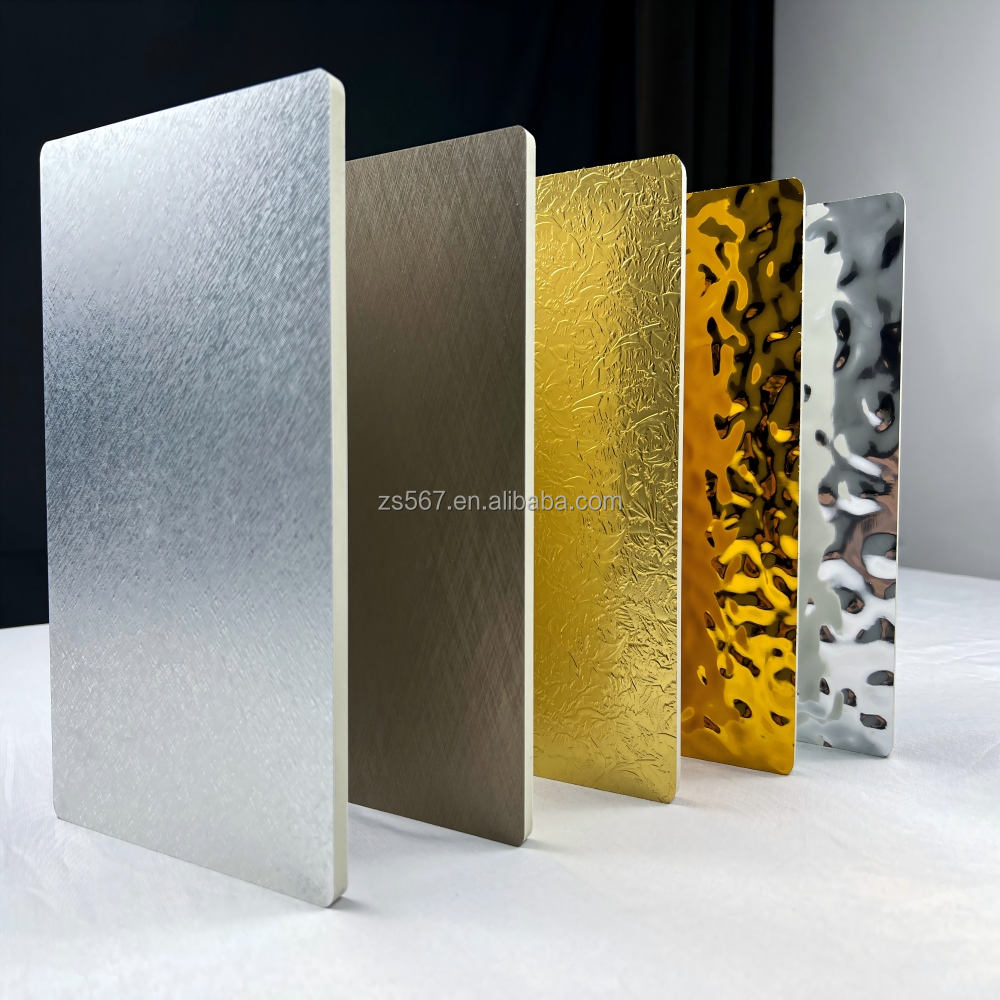
How to do moisture-proof treatment on walls?
Ultimate Guide to Wall Moisture-Proof Panels: Protect Your Home from Damp & Mold
View more
Safety Handrails: Your Invisible Guardians of Safety
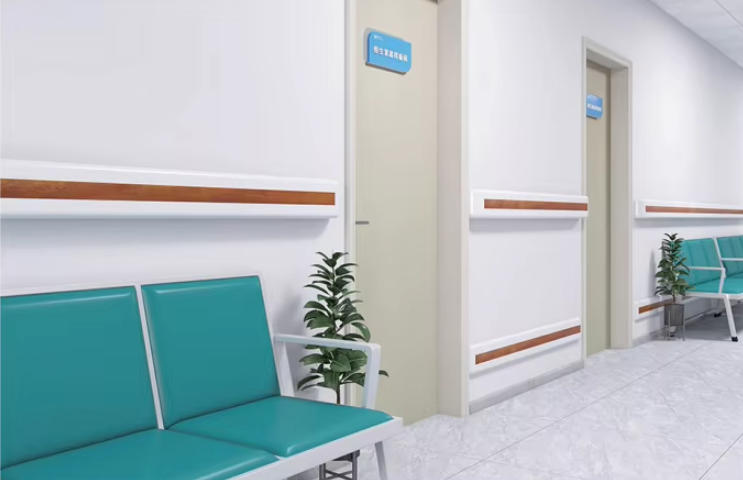
Safety Handrails: Your Invisible Guardians of Safety
Safety Handrails: Your Invisible Guardians of Safety
View more
Apartment Wall Panel Protection: The Smart Solution for Modern Living Spaces
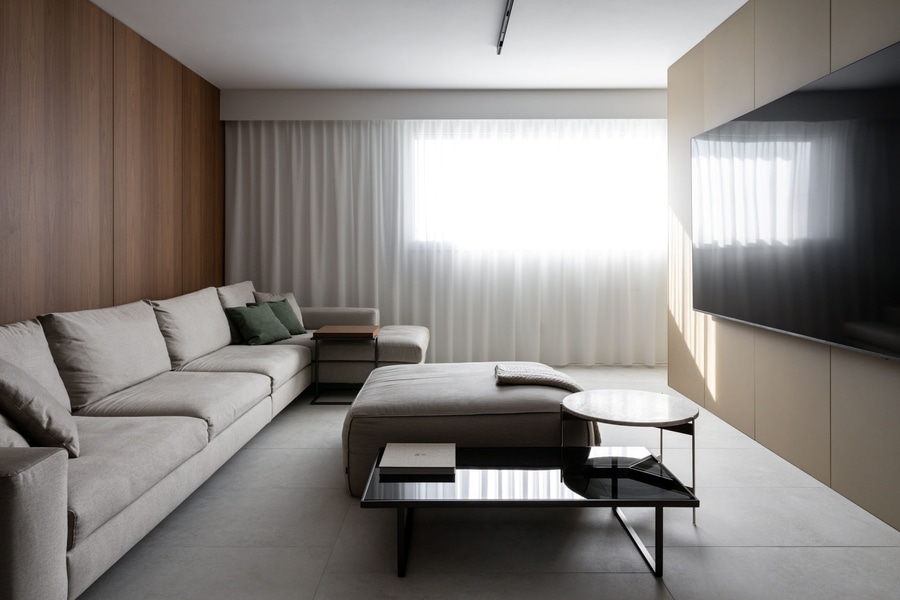
Apartment Wall Panel Protection: The Smart Solution for Modern Living Spaces
Apartment Wall Panel Protection: The Smart Solution for Modern Living Spaces
View more
Hospital Corridor Safety Solutions: Anti-Slip Flooring, Protective Handrails & Wall Panels for Full-Circle Facility Protection
Hospital Corridor Safety Solutions: Anti-Slip Flooring, Protective Handrails & Wall Panels for Full-Circle Facility Protection
Hospital Corridor Safety Solutions: Anti-Slip Flooring, Protective Handrails & Wall Panels for Full-Circle Facility Protection
View more
 Phone: 8613256161276
 Email: jinanhengsheng@zs567.net
 Postal Code:250000





Lu ICP No. 2024106453-2
Friendship links


8613256161276


jinanhengsheng@zs567.net


