






Product
Product
News
Cases
search
Why Safety Handrails Are No Longer Just "Hospital Equipment" — A Conversation We All Need to Have

2026-07-15 09:38:04

367

0

228

317
Why Safety Handrails Are No Longer Just "Hospital Equipment" — A Conversation We All Need to Have
If you search "handrail" online right now, most of the top results will show you hospital corridor rails, elderly bathroom grab bars, or construction site guardrails. For a long time, we have treated safety handrails as a "specialized product" — something only needed by patients, people with limited mobility, or construction workers. But what if I told you that this narrow understanding is making millions of homes and public spaces far less safe than they should be?
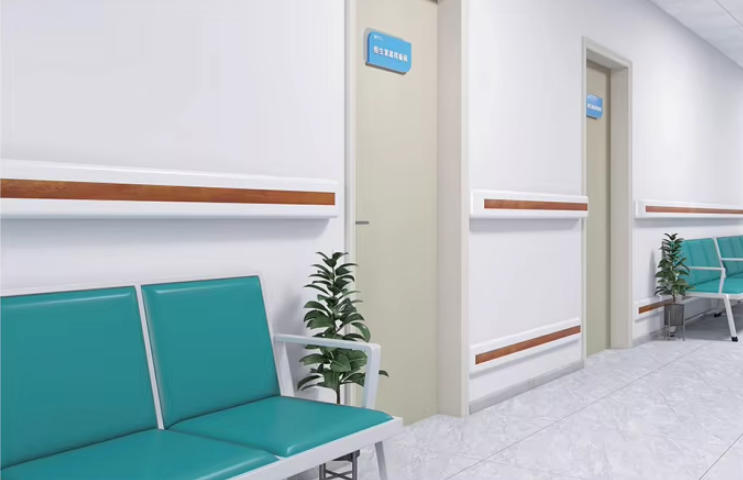
The Hidden Fall Risk We All Ignore
Falls are not just a problem for seniors. According to global public health data, more than 30% of non-intentional home injuries happen in bathrooms, stairways, and narrow hallways — and a large number of these accidents happen to young, healthy people. You might slip on a wet bathroom floor after a shower, lose your balance carrying heavy groceries up stairs, or trip over a loose carpet edge while walking half-asleep at midnight. A well-installed anti-slip fall-prevention handrail is not a sign of "getting old" — it is a quiet safety net that catches you before an accident changes your life.
The Misconception That Makes Our Spaces Dangerous
One of the most common arguments we hear is: "My home looks modern and stylish, a handrail will ruin the aesthetic." This is an outdated idea. Today’s safety support rails are nothing like the clunky, purely functional hospital rails from decades ago. You can find sleek 304 stainless steel models that blend seamlessly with minimalist bathrooms, matte wood-texture grab bars that match Nordic home decor, and even hidden assist handles that are almost invisible when not in use. Safety no longer has to come at the cost of design — it can be a subtle, elegant part of your space.
Another common myth: "Handrails are only for people with disabilities." This could not be further from the truth. A new parent holding a slippery baby while stepping out of the bathtub, a teenager with a sprained ankle recovering at home, a pregnant woman in her third trimester struggling to stand up from the toilet — all of these people benefit from a sturdy, well-placed secure assist handle. Good accessibility design never targets only one group of people. It creates a space that is safer and more convenient for everyone, at every stage of life.
The Quiet Revolution in Public Space Design
Walk through a modern airport, a new school, or a recently renovated office building, and you will notice something different. Handrails are no longer only installed next to stairs. They appear along long, smooth corridors, next to public toilet stalls, even on the walls of rest areas. These are not just "extra facilities" — they are part of a global shift toward inclusive design. Cities are starting to realize that adding a high-quality, antibacterial handrail in public spaces does not cost a huge amount of money, but it can drastically reduce fall injuries for the elderly, people with temporary injuries, and even tired travelers carrying heavy luggage.
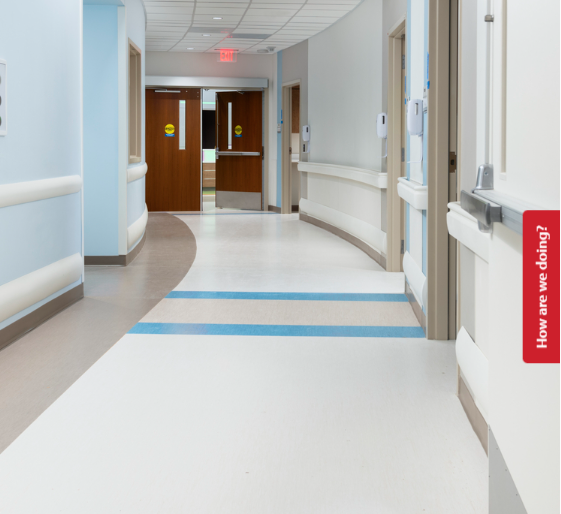
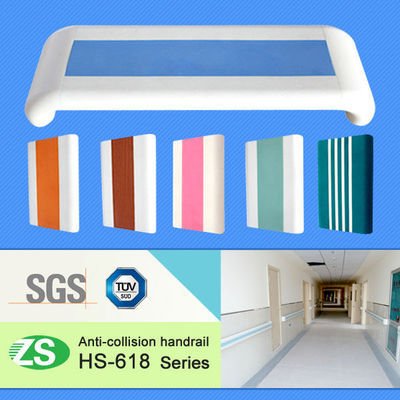
For medical and elderly care spaces, this shift is even more obvious. The old simple metal rails have been replaced by PVC-coated, antibacterial corridor handrails with soft, ergonomic curves. They protect walls from collision damage, reduce the spread of bacteria in high-traffic areas, and give patients and elderly residents a steady, reassuring point of support as they walk. These handrails are no longer just "safety equipment" — they are a small but critical part of making a space feel warm, caring, and truly livable.
It Is Time to Change How We Think About Handrails
We do not wait until someone falls and gets hurt to install a smoke alarm. We do not wait until a window breaks to install a child safety lock. So why do we wait until a fall accident happens before we consider adding a handrail?
A good safety handrail is not a symbol of weakness. It is a symbol of consideration — for your family, for your guests, for every person who walks through the space. It is a small, affordable investment that protects the people you love, without ruining the style of your home or public area.
The conversation around handrails is long overdue. Next time you renovate your bathroom, upgrade your stairway, or design a public space, do not treat the handrail as an afterthought. Think of it as what it really is: a simple, powerful tool that makes every step a little steadier, every home a little safer, and every space a little more caring for everyone who uses it.
Comment 0
Hot News
Aug 06,2026
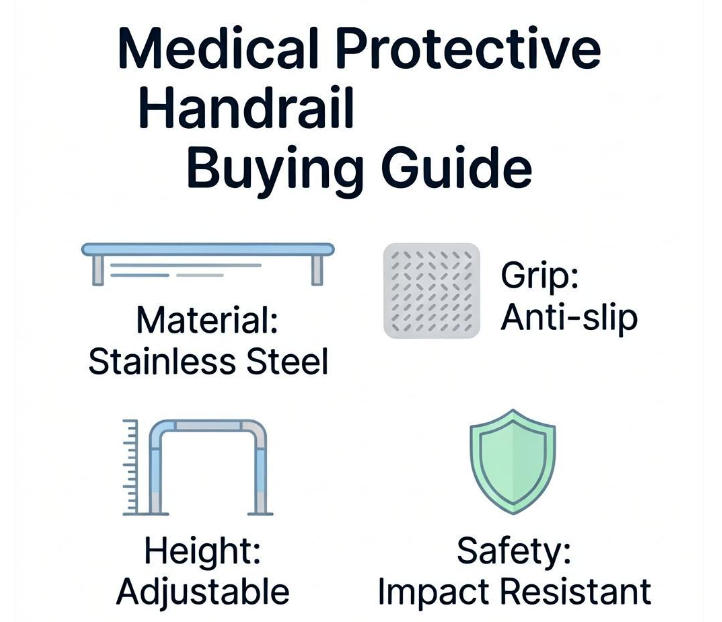
How to Choose Medical Grab Rails That Boost Safety and Independence
How to Choose Medical Grab Rails That Boost Safety and Independence
View more
Nov 04,2025

The Director of the Civil Affairs Bureau of Panjin City, Liaoning Province, visited Hang Seng Holdings Group for inspection and guidance, and jointly sought a new chapter in the development of the silver economy
In order to thoroughly implement General Secretary Xi Jinping's important instructions on aging work, on August 12th, the Director of the Civil Affairs Bureau...
View more
Dec 08,2025
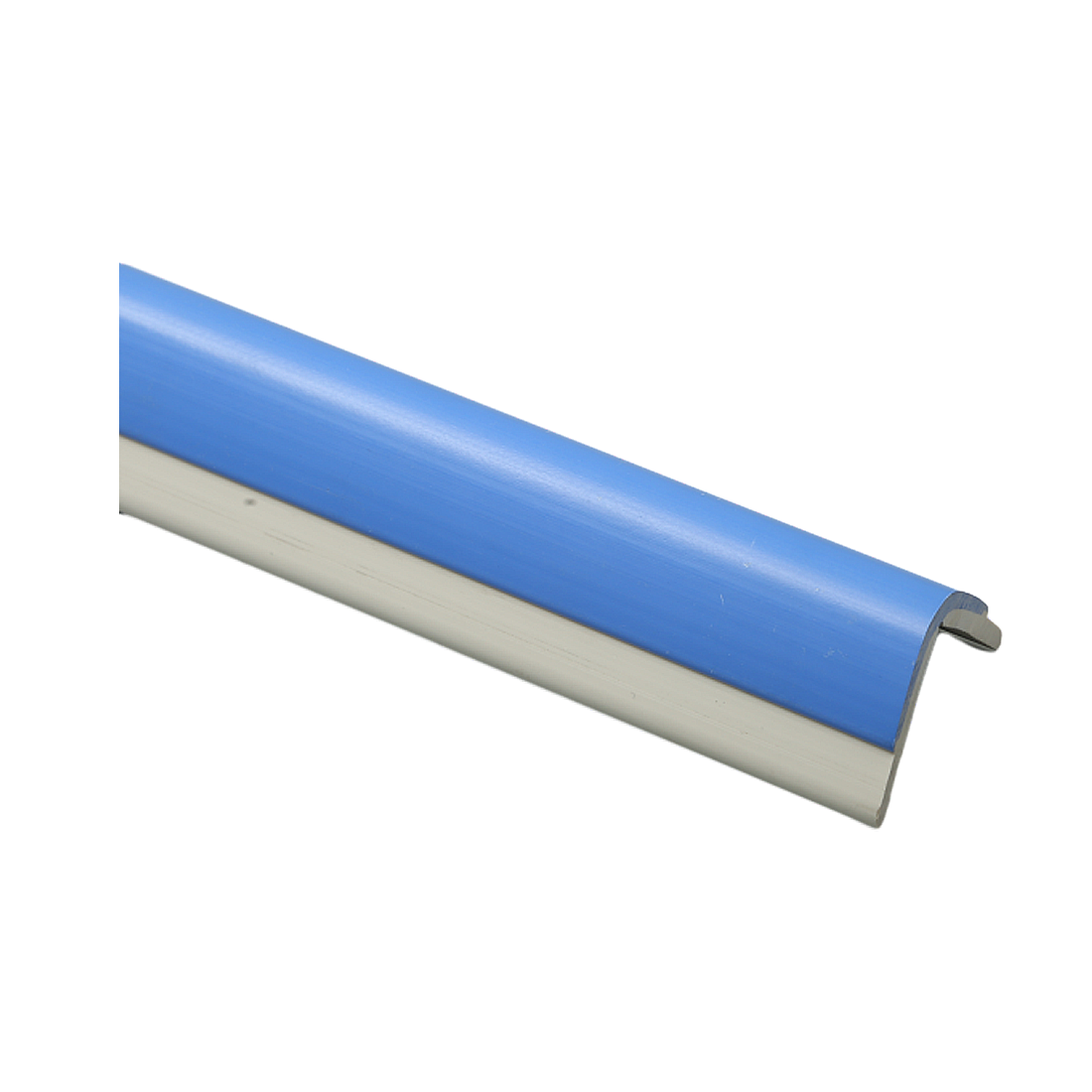
Corner Protectors: The Ultimate Guide to Wall Corner Protection for Commercial & Residential Spaces
Corner Protectors: The Ultimate Guide to Wall Corner Protection for Commercial & Residential Spaces
View more
Jun 15,2026
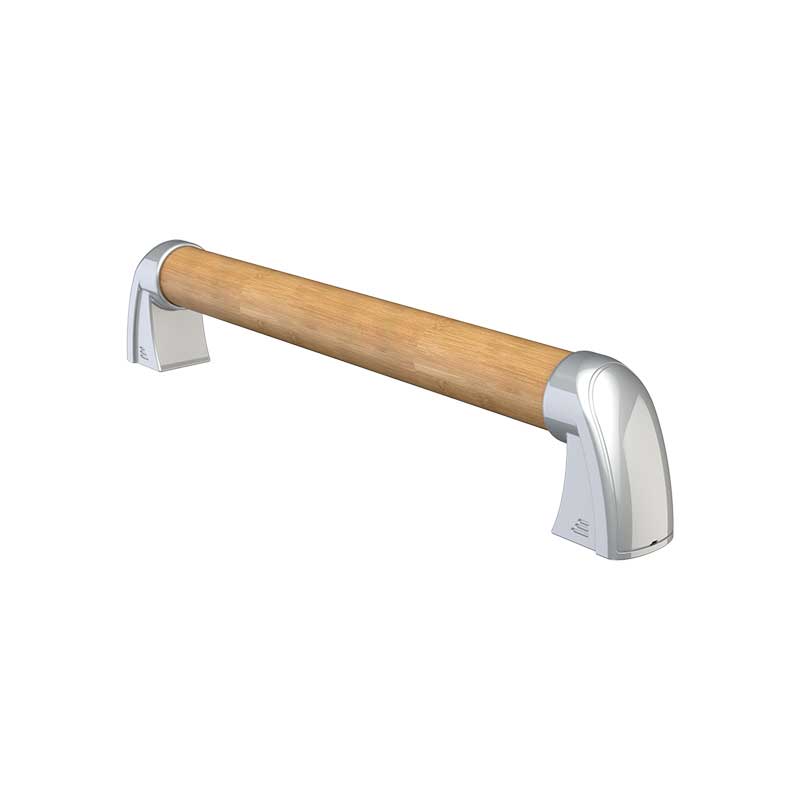
Grab Bars have evolved beyond purely functional safety tools
Grab Bars have evolved beyond purely functional safety tools.
View more
Hot Search Term
Pension
Health
Hospital
Hospital
MESSAGE
BOARD
Related Articles
The Four Guardians of Every Safe Room — And Why the World Needs More of Them
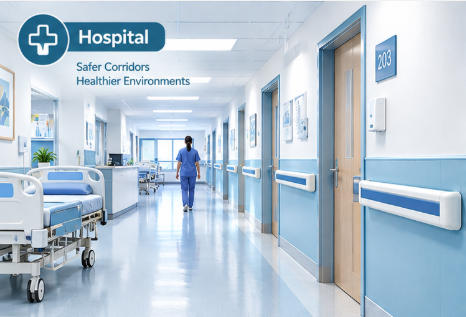
The Four Guardians of Every Safe Room — And Why the World Needs More of Them
The Four Guardians of Every Safe Room — And Why the World Needs More of Them
View more
Best Wall Panel for High-Traffic Commercial Buildings | Wall Protection Guide
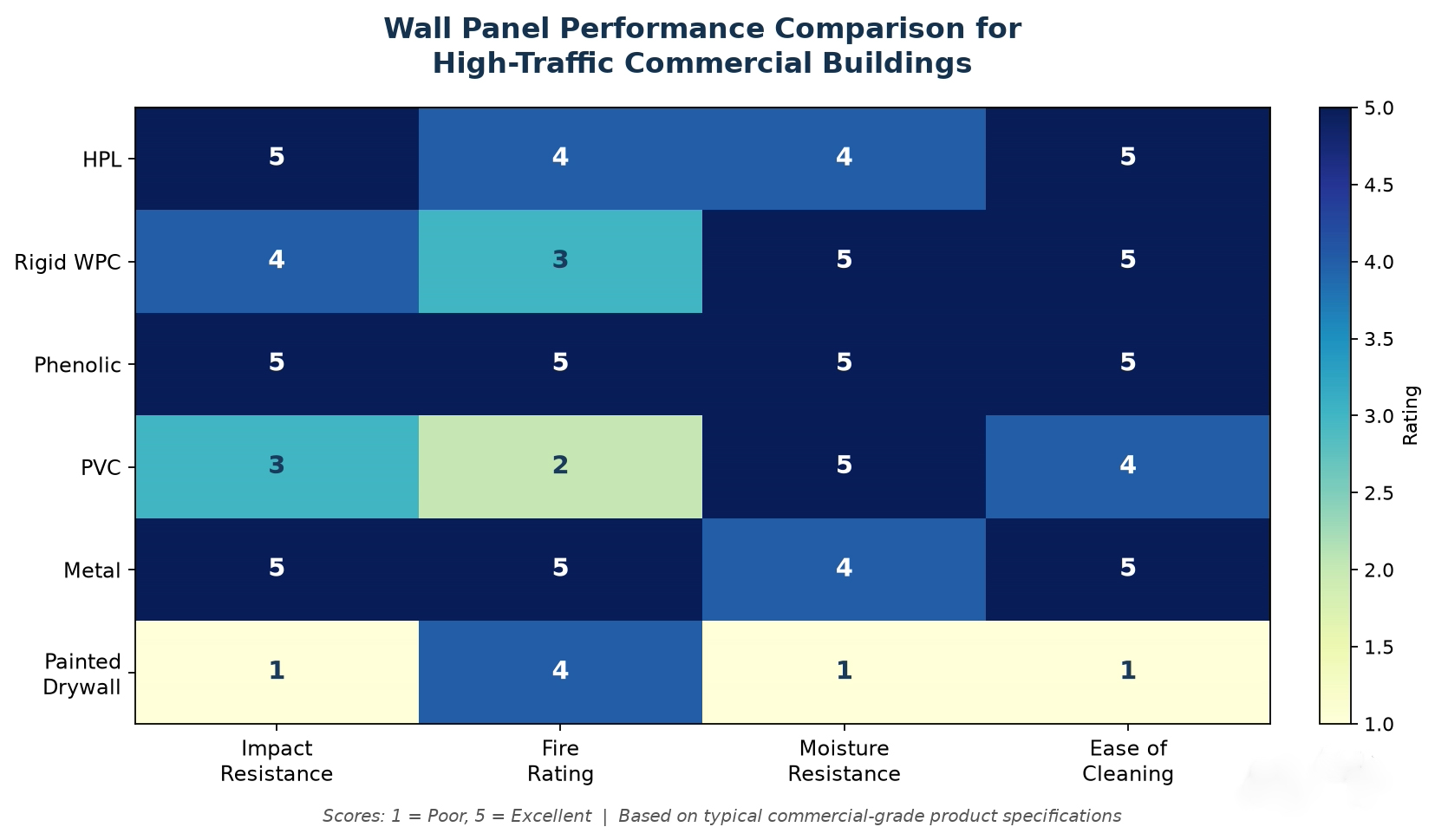
Best Wall Panel for High-Traffic Commercial Buildings | Wall Protection Guide
Best Wall Panel for High-Traffic Commercial Buildings | Wall Protection Guide
View more
Why Are More Contractors and Distributors Choosing Wall Protection Panels for Commercial Projects?
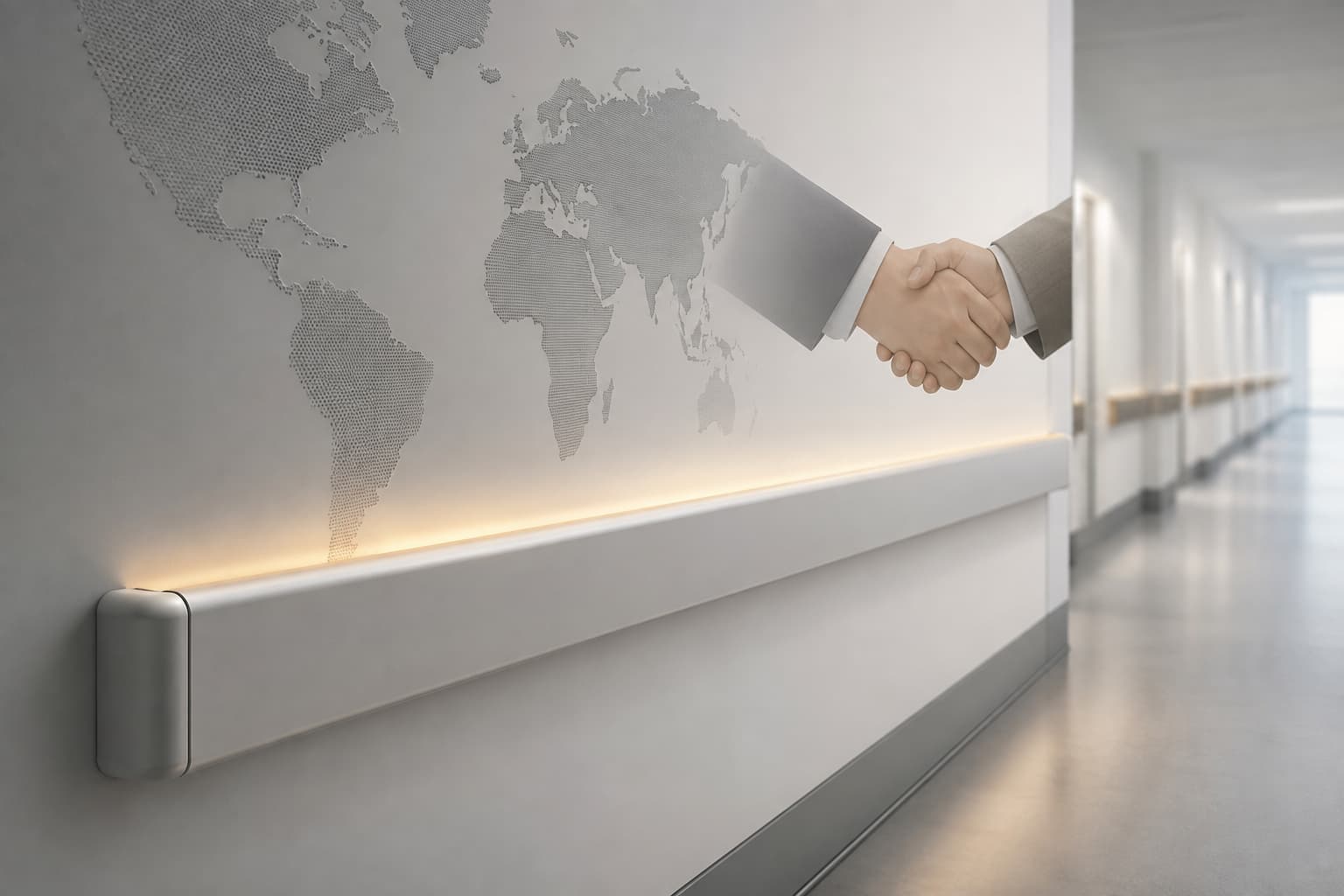
Why Are More Contractors and Distributors Choosing Wall Protection Panels for Commercial Projects?
For hospitals, nursing homes, hotels, schools, public buildings, and other high-traffic facilities, walls are exposed to constant impact, abrasion, stains, and daily wear. Traditional decorative walls may look attractive at first, but maintaining them over time can become expensive and time-consuming.
View more
Eco-Friendly Wall Panel: The Green Choice for Modern Spaces
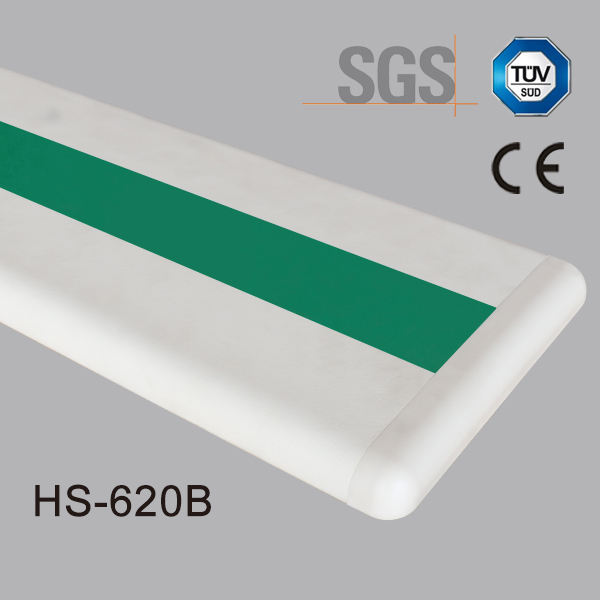
Eco-Friendly Wall Panel: The Green Choice for Modern Spaces
Eco-Friendly Wall Panel: The Green Choice for Modern Spaces
View more







Shandong Hengsheng Zhinian Co., Ltd
Friendship links


