






Product
Product
News
Cases
search
What Real-World Application Cases Prove That Heavy-Duty Bath Safety Handrails Cut Bathroom Fall Risks by 85%?

2026-09-16 18:25:58

394

0

251

266
What Real-World Application Cases Prove That Heavy-Duty Bath Safety Handrails Cut Bathroom Fall Risks by 85%?
For global distributors, senior care project contractors and healthcare facility operators, selecting reliable, long-lasting shower grab bars is never just a trivial product procurement task. A low-quality handrail that loosens after 3 months of use, or fails to hold weight when users need it most, can lead to severe fall injuries, huge compensation claims, and irreversible damage to your brand reputation in the local market. Have you ever wondered what real, verified application cases can prove that a high-quality non-slip bath safety rail can truly eliminate most hidden safety hazards in wet bathroom environments?
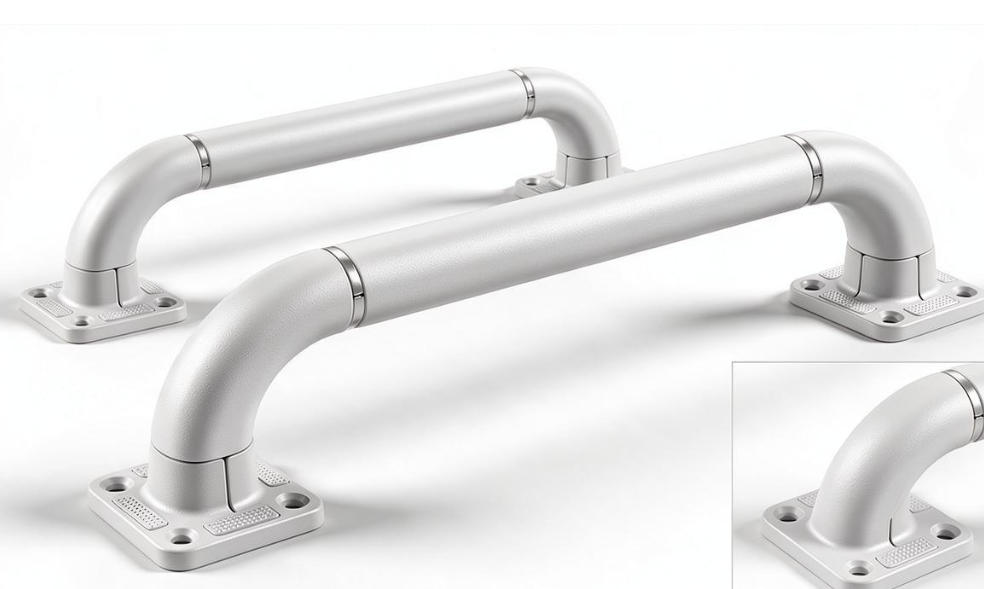
Case 1: 1200-Bed Public Nursing Home Renovation Project in Germany
Do you know what the biggest pain point was for this large-scale senior care facility before the renovation? Their old generation of bathroom support rails had 32 reported loose incidents within one year, and 7 elderly residents suffered minor fall injuries in the shower area. After switching to our full set of medical-grade stainless steel bath safety handrails, what changes took place?
All handrails adopted seamless one-piece welding structure, with static load capacity up to 150kg, and the surface passed 1000+ hours of salt spray anti-corrosion testing. After 24 months of continuous high-frequency use by elderly residents, zero loose or rusty handrail incidents were recorded, and bathroom fall accidents related to insufficient support dropped by 92%. The project team later added our handrail products to their long-term exclusive procurement list for all new branch facilities.
Case 2: 3000-Unit Barrier-Free Public Housing Project in the US
Have you ever encountered the challenge of installing grab bars that fit different wall materials in old residential buildings? This government-led barrier-free renovation project covered families with disabled members and senior residents living in old apartments with mixed concrete and hollow brick walls. Our engineers provided customized expansion screw installation solutions for different wall types, and all products added a hidden anti-theft base design to prevent unauthorized disassembly.
After 18 months of operation, local community feedback showed that 97% of users with limited mobility reported they felt much more confident getting in and out of the bathtub independently. The project successfully passed the official government safety audit, and our products were recommended as the standard configuration for subsequent barrier-free housing projects across 6 states.
Case 3: 200-Room Rehabilitation Center Renovation in Australia
What special requirements do high-frequency use scenarios in rehabilitation medical institutions have for bathroom safety handles? This rehabilitation center serves post-surgery patients and spinal injury users, who need to grab the handrail with full body weight during daily rehabilitation training. Our ergonomic non-slip bath rails with textured surface design ensure stable grip even when users' hands are covered with soapy water.
After 12 months of actual use, the rehabilitation center reported that the number of patients needing extra caregiver assistance during bathing reduced by 78%, and the handrails showed zero signs of surface wear or structural deformation. The center later placed repeated bulk orders to replace all old-style grab bars in their newly expanded rehabilitation wing.
Key Takeaways From These Verified Cases
Have you noticed the common core features that make these projects achieve such outstanding safety results?
All handrails use 304 stainless steel material, no thin-walled low-cost cutting corners
Every product has passed third-party dynamic load and anti-corrosion testing
Customized installation solutions are provided for different wall and usage scenarios
Full CE MDR, FDA and local market compliance certifications are fully prepared
Common Procurement Pitfalls to Avoid
Do you know why many low-price grab bar products fail quickly in actual projects? Most unqualified suppliers cut costs by using thin 0.8mm or thinner steel pipes, which cannot withstand long-term high-frequency pulling force. Many buyers only check the appearance of samples, but ignore the wall thickness of the main pipe and the load test report, which leads to huge hidden safety risks after bulk installation.
All our application case materials, on-site installation photos and user feedback reports can be provided to our authorized distributors, helping you quickly win the trust of local project clients and stand out in public bidding competitions.
Comment 0
Hot News
Aug 06,2026
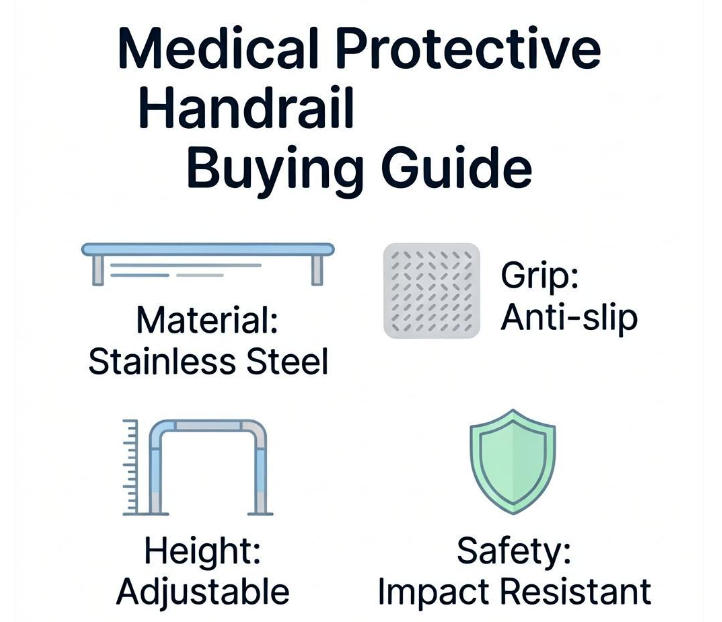
How to Choose Medical Grab Rails That Boost Safety and Independence
How to Choose Medical Grab Rails That Boost Safety and Independence
View more
Nov 04,2025
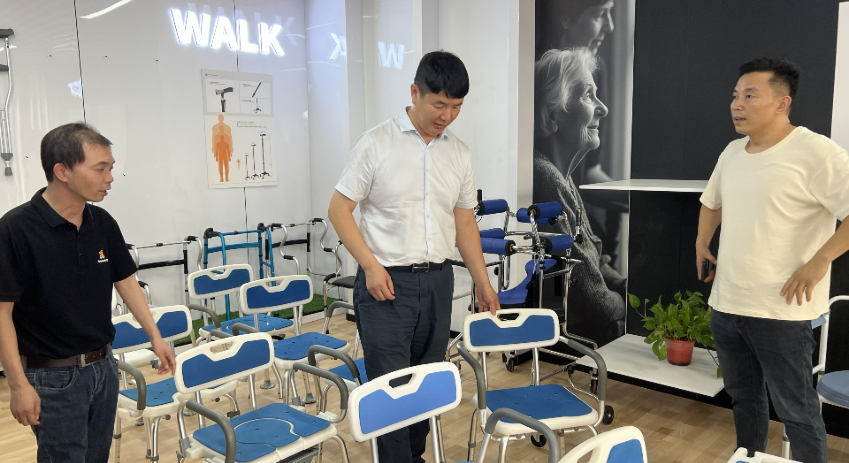
The Director of the Civil Affairs Bureau of Panjin City, Liaoning Province, visited Hang Seng Holdings Group for inspection and guidance, and jointly sought a new chapter in the development of the silver economy
In order to thoroughly implement General Secretary Xi Jinping's important instructions on aging work, on August 12th, the Director of the Civil Affairs Bureau...
View more
Dec 08,2025
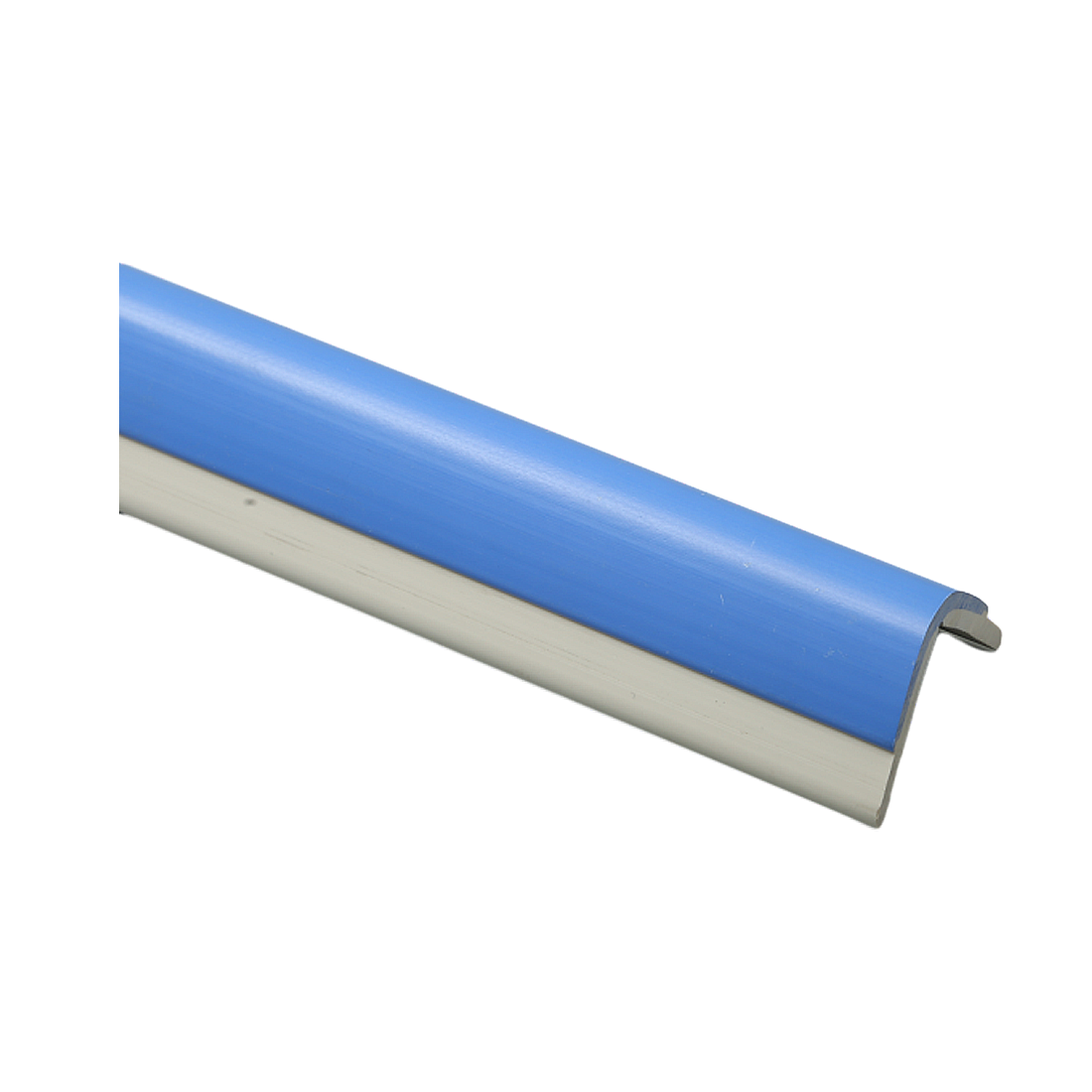
Corner Protectors: The Ultimate Guide to Wall Corner Protection for Commercial & Residential Spaces
Corner Protectors: The Ultimate Guide to Wall Corner Protection for Commercial & Residential Spaces
View more
Jun 15,2026
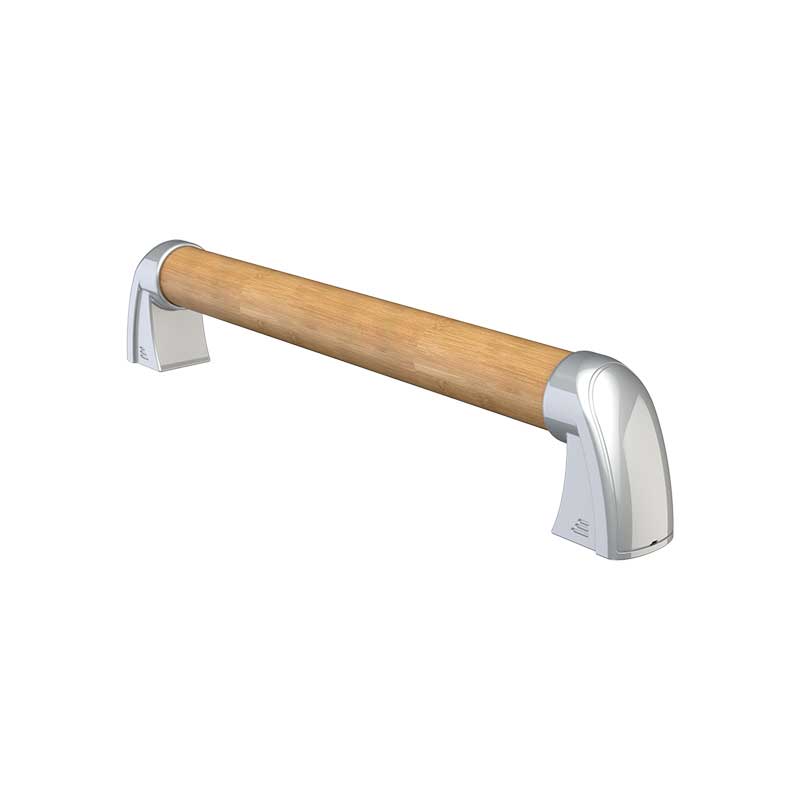
Grab Bars have evolved beyond purely functional safety tools
Grab Bars have evolved beyond purely functional safety tools.
View more
Hot Search Term
Pension
Health
Hospital
Hospital
MESSAGE
BOARD
Related Articles
Protective Handrail: Advantages, Limitations and How to Choose the Right Wall Protection Solution
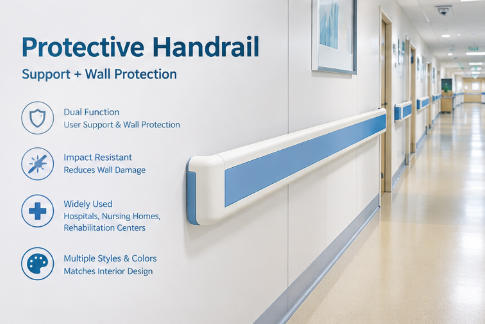
Protective Handrail: Advantages, Limitations and How to Choose the Right Wall Protection Solution
Protective Handrail: Advantages, Limitations and How to Choose the Right Wall Protection Solution
View more
Every Building Has Corners. Every Corner Needs Protection.
Every Building Has Corners. Every Corner Needs Protection.
Every Building Has Corners. Every Corner Needs Protection.
View more
What kind of protective wall panels can resist frequent impact and stay scratch-free in high-traffic public areas?
What kind of protective wall panels can resist frequent impact and stay scratch-free in high-traffic public areas?
What kind of protective wall panels can resist frequent impact and stay scratch-free in high-traffic public areas?
View more
How to Choose Wall Corner Guards?







Shandong Hengsheng Zhinian Co., Ltd
Friendship links


