






Product
Product
News
Cases
search
How to Choose Medical Grab Rails That Boost Safety and Independence

2026-08-06 09:27:11

220

0

450

475
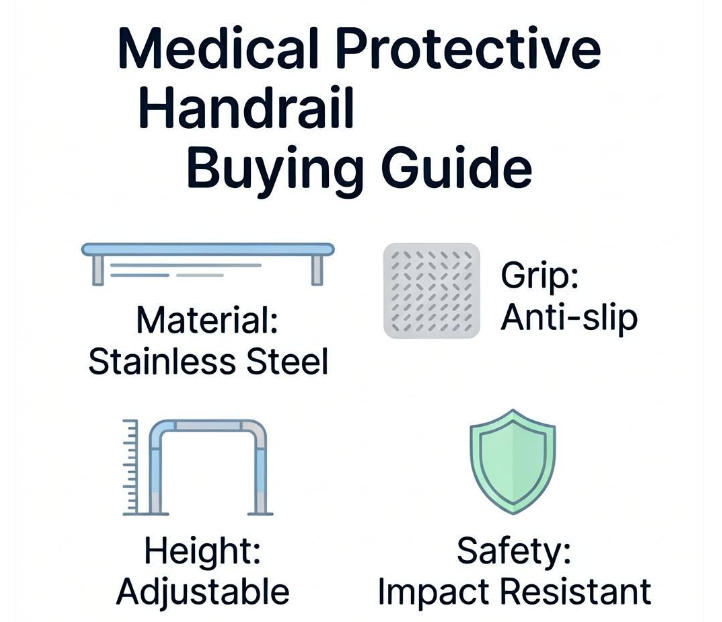
If you’ve ever watched a loved one hesitate before stepping into a hospital bathroom, or noticed a patient gripping a wall for balance while walking down a corridor, you already know: the right medical handrail does more than “look like safety.” It becomes the quiet, trusted support that turns uncertainty into confidence. But with hundreds of options online—all labeled “medical grade,” “non-slip,” or “senior-friendly”—how do you pick one that doesn’t just check boxes, but actually protects, empowers, and fits seamlessly into daily care?
Why Ordinary Grab Bars Fall Short for Medical Settings
Standard household grab rails might work for occasional bathroom use, but they were never designed for the unique demands of hospitals, rehabilitation centers, or senior living communities. Medical-grade handrails are built to meet strict ergonomic and safety standards, shaped around the real movements of people recovering from surgery, living with mobility conditions, or navigating long corridors with limited strength.
Many people make the mistake of choosing a cheap, straight cylindrical rail because it “seems sturdy.” But these basic designs force unnatural wrist rotation, putting unnecessary strain on healing tendons after hip or knee replacement surgery. For patients rebuilding motor patterns during recovery, that awkward grip doesn’t just feel uncomfortable—it can increase the risk of slips, falls, and even re-injury.
The Non-Negotiable Features to Look For
When shopping for medical protective handrails, prioritize these evidence-backed features that make a tangible difference in daily safety:
-
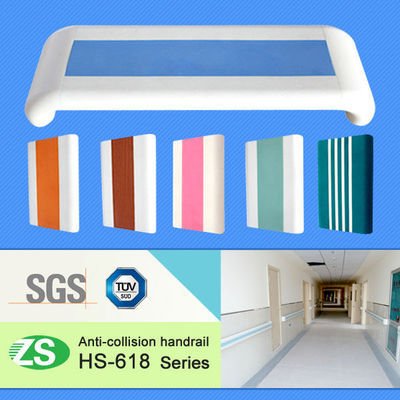
Anatomical Contour: The best rails follow the natural trajectory of your shoulder, elbow, and wrist. A gently curved, oval profile with a subtle inward taper eliminates awkward wrist angles, so users can distribute their weight evenly without straining joints.
-
Full-Palm Grip Surface: Look for a cross-section around 1.4 inches wide by 1 inch thick—wider than standard tubes, so your entire palm wraps comfortably around the rail without pinching your fingers. This full coverage creates a more secure hold, even for users with limited hand strength or arthritis.
-
Tactile Guidance Ridges: A subtle raised ridge along the top of the rail acts as a built-in direction marker. This small detail lets users identify the rail’s orientation by touch alone, which is life-changing for people with low vision or those navigating unfamiliar hallways.
-
Hospital-Grade Hygiene: Choose non-porous, smooth surfaces that resist bacterial buildup and can be wiped down quickly with standard medical disinfectants. Avoid textured crevices that trap dust, moisture, or contaminants between cleanings.
-
Proven Load Capacity: The rail should safely support at least 330 pounds of dynamic force—enough to catch a user if they stumble, rather than bending or pulling away from the wall.
Match the Rail to Your Exact Space
Different areas need different handrail designs, and one-size-fits-all solutions often create hidden hazards:
-
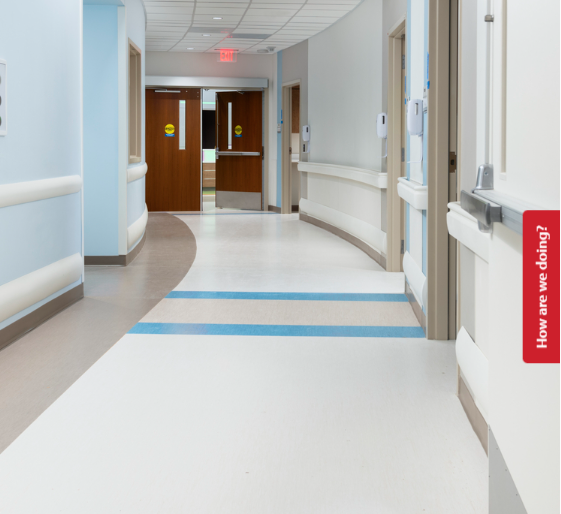
Long Corridors: Opt for continuous, wall-mounted rails at 33–35 inches above the floor, with a 1.5-inch clearance between rail and wall for easy gripping. Many top facilities install dual-height rails to serve both standing adults and seated wheelchair users.
-
Bathrooms & Toilets: L-shaped and U-shaped medical grab rails give users stable support while shifting from standing to sitting, or pulling themselves up from the toilet. Avoid rails with sharp edges that can catch clothing or cause accidental injury.
-
Sliding Doors & Entrances: Retractable, semi-automatic lifting handrails are a game-changer here. They require minimal force to operate, so even users with limited upper-body strength can open doors while keeping one hand anchored to support.
-
Bedside Zones: For post-surgery recovery, prioritize rails that meet FDA safety guidelines for medical use. Avoid models with large gaps that could create entrapment risks for users with confusion, restlessness, or cognitive impairment.
The Hidden Installation Mistake That Undermines Safety
Even the highest-quality handrail fails if it’s poorly installed. Make sure every mounting point uses heavy-duty wall anchors that secure directly to studs or reinforced backing. Spacing between brackets should never exceed 24 inches, and the rail must not wobble even when you pull on it with your full body weight. A loose rail isn’t just inconvenient—it’s one of the most common causes of preventable falls in care environments.
Final Thought: Safety Should Feel Like Freedom
The best medical protective handrails don’t shout “medical equipment.” They quietly fade into the background, giving users the confidence to walk a little farther, stand a little longer, and hold onto their independence one steady grip at a time. When you choose a rail designed around real human movement—not just a product spec sheet—you’re not just buying hardware. You’re building a space where patients, residents, and loved ones don’t just stay safe. They thrive.
Ready to find the perfect medical handrail for your facility? Browse our curated collection of ergonomic, hospital-grade grab rails today and transform every corridor, bathroom, and entryway into a space that supports strength, dignity, and peace of mind.
Comment 0
Hot News
Aug 06,2026
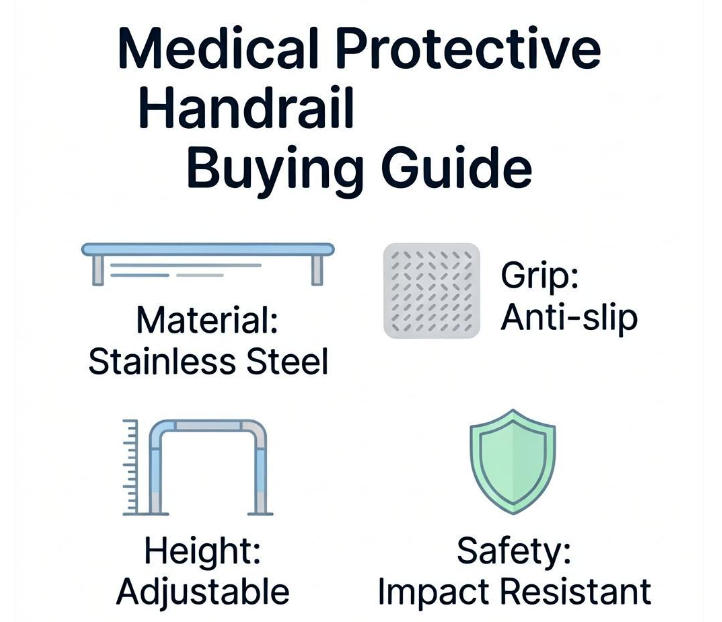
How to Choose Medical Grab Rails That Boost Safety and Independence
How to Choose Medical Grab Rails That Boost Safety and Independence
View more
Nov 04,2025

The Director of the Civil Affairs Bureau of Panjin City, Liaoning Province, visited Hang Seng Holdings Group for inspection and guidance, and jointly sought a new chapter in the development of the silver economy
In order to thoroughly implement General Secretary Xi Jinping's important instructions on aging work, on August 12th, the Director of the Civil Affairs Bureau...
View more
Dec 08,2025
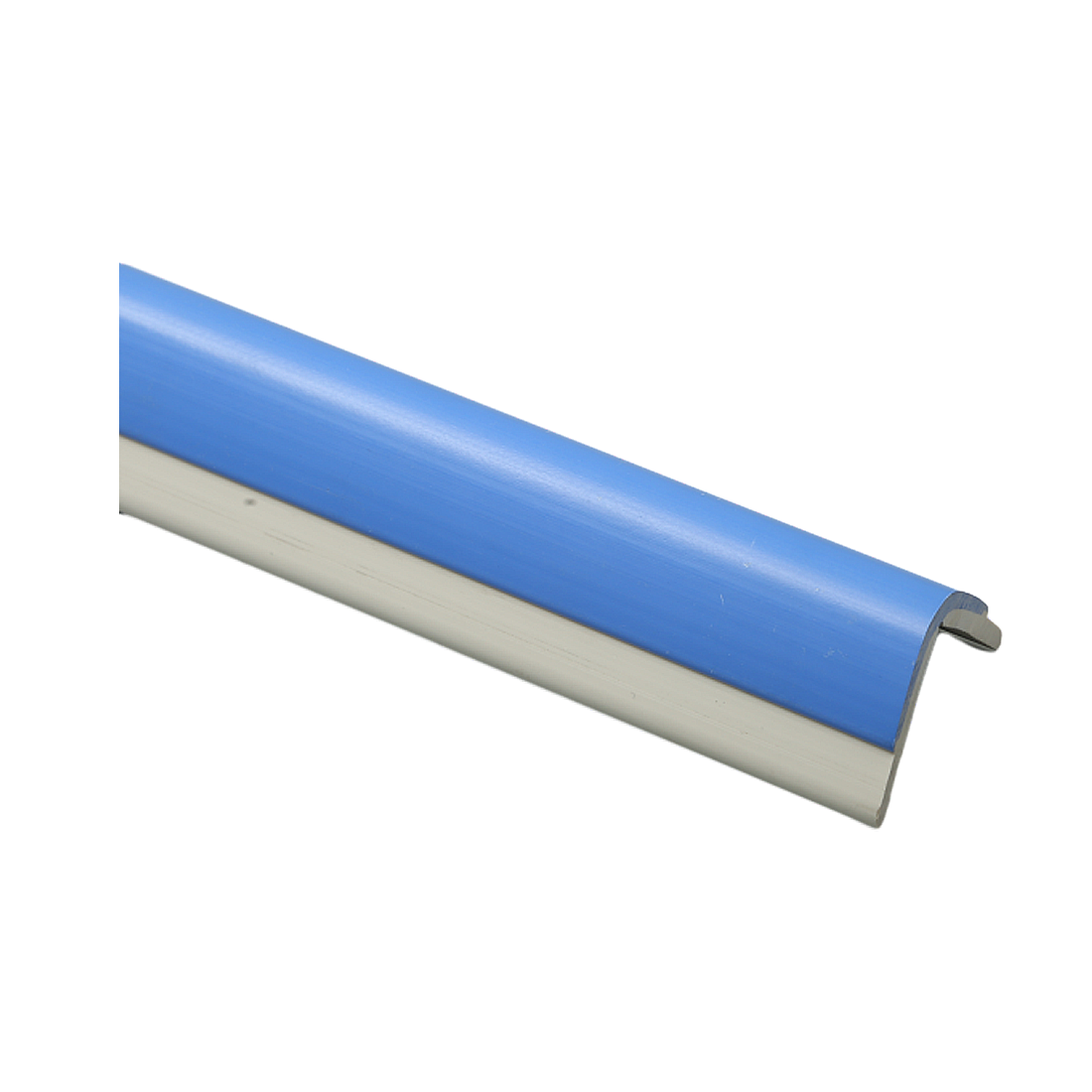
Corner Protectors: The Ultimate Guide to Wall Corner Protection for Commercial & Residential Spaces
Corner Protectors: The Ultimate Guide to Wall Corner Protection for Commercial & Residential Spaces
View more
Jun 15,2026
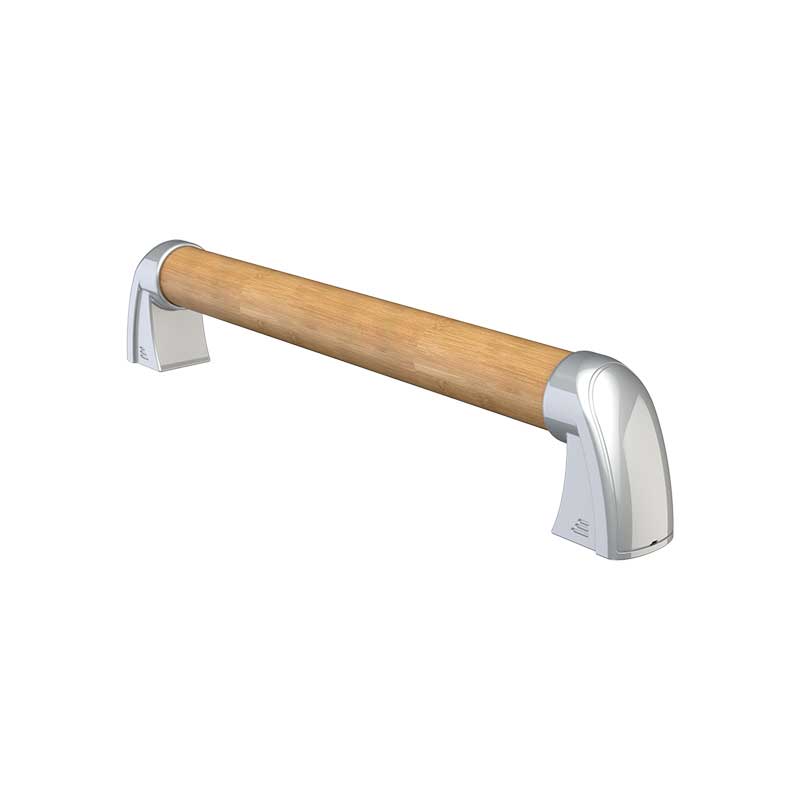
Grab Bars have evolved beyond purely functional safety tools
Grab Bars have evolved beyond purely functional safety tools.
View more
Hot Search Term
Pension
Health
Hospital
Hospital
MESSAGE
BOARD
Related Articles
What Real-World Application Cases Prove That Heavy-Duty Bath Safety Handrails Cut Bathroom Fall Risks by 85%?
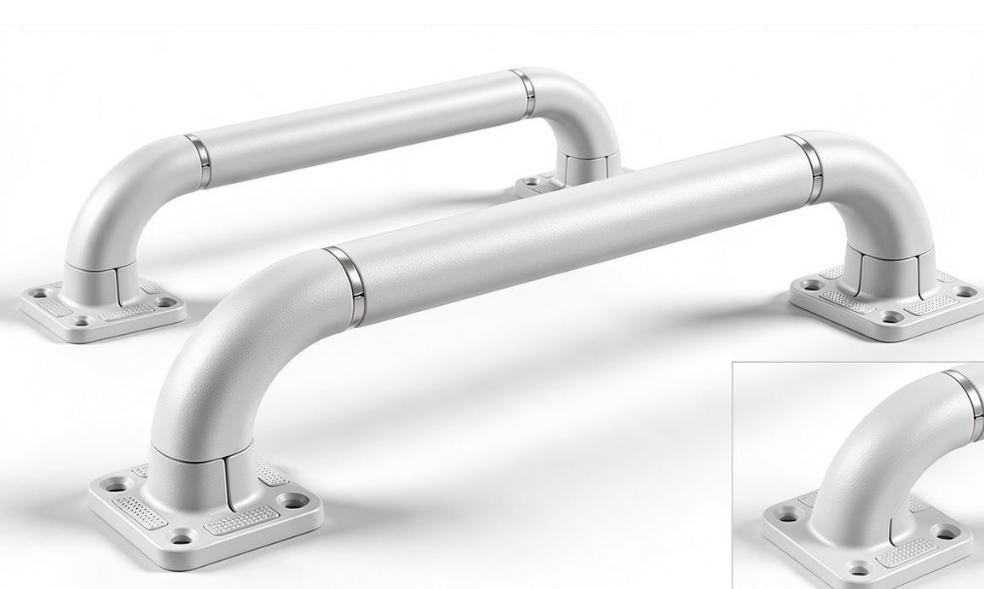
What Real-World Application Cases Prove That Heavy-Duty Bath Safety Handrails Cut Bathroom Fall Risks by 85%?
What Real-World Application Cases Prove That Heavy-Duty Bath Safety Handrails Cut Bathroom Fall Risks by 85%?
View more
Protective Handrail: Advantages, Limitations and How to Choose the Right Wall Protection Solution
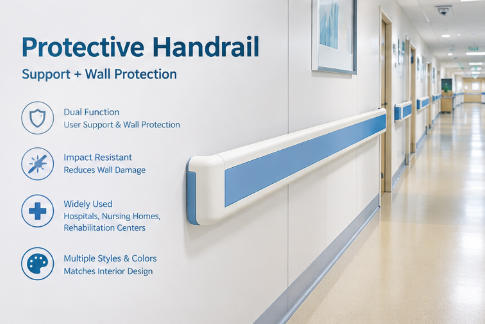
Protective Handrail: Advantages, Limitations and How to Choose the Right Wall Protection Solution
Protective Handrail: Advantages, Limitations and How to Choose the Right Wall Protection Solution
View more
Every Building Has Corners. Every Corner Needs Protection.
Every Building Has Corners. Every Corner Needs Protection.
Every Building Has Corners. Every Corner Needs Protection.
View more
What kind of protective wall panels can resist frequent impact and stay scratch-free in high-traffic public areas?

What kind of protective wall panels can resist frequent impact and stay scratch-free in high-traffic public areas?
What kind of protective wall panels can resist frequent impact and stay scratch-free in high-traffic public areas?
View more







Shandong Hengsheng Zhinian Co., Ltd
Friendship links


