




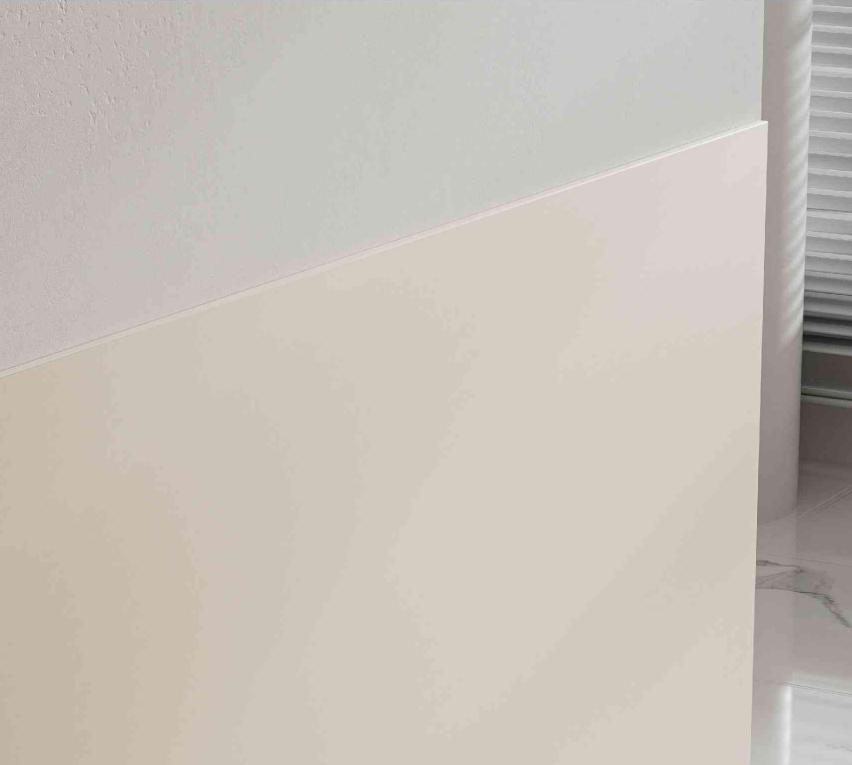

Product
Product
News
Cases
search
What Makes a Wall Panel Suitable for High-Traffic Buildings?

2026-08-13 13:51:55

212

0

322

169
So, what is the best wall panel for high-traffic commercial buildings?
The answer is not simply the strongest-looking panel. The best commercial wall protection solution should combine impact resistance, durability, easy maintenance, hygiene, attractive appearance, and installation flexibility—while also helping reduce long-term repair and maintenance costs.
For hospitals, schools, hotels, airports, shopping centers, nursing homes, offices, and other commercial facilities, a properly selected commercial wall protection panel can turn vulnerable wall surfaces into durable, easy-to-maintain environments.
What Makes a Wall Panel Suitable for High-Traffic Buildings?
A commercial wall panel needs to perform under continuous daily use. For high-traffic environments, buyers and project contractors should consider several key factors.
1. Impact Resistance
The first consideration is protection against impact.
Hospital beds and carts can repeatedly contact corridors. School furniture can hit walls. Hotel luggage carts can cause scratches and dents. In logistics and commercial facilities, moving equipment can place even greater stress on wall surfaces.
A high-quality wall protection panel should help absorb or resist everyday impacts while protecting the underlying wall.
For this reason, commercial buyers often look for solutions such as:
- PVC wall protection panels
- Rigid wall protection sheets
- Hospital wall protection systems
- Wall guards
- Corner guards
- Impact-resistant wall panels
The right solution depends on the building's traffic level, installation environment, design requirements, and project specifications.
2. Easy Cleaning and Maintenance
High-traffic buildings require frequent cleaning.
A wall surface that looks attractive but is difficult to clean can increase maintenance work and operating costs.
Commercial wall protection panels should ideally have a smooth, easy-to-clean surface that can withstand routine cleaning procedures.
This is particularly important in:
- Hospitals and healthcare facilities
- Nursing homes
- Schools and universities
- Hotels
- Airports
- Shopping centers
- Office buildings
- Public transportation facilities
For healthcare projects, wall protection also needs to be considered alongside the facility's specific hygiene, cleaning, fire, and material requirements.
3. Long-Term Durability
The cheapest wall covering is not necessarily the most economical solution.
For commercial projects, the more important question is:
How much will the wall protection system cost over its entire service life?
Repeated wall repairs, repainting, patching, and replacement can become expensive in high-traffic environments.
A durable wall protection system can help reduce:
Wall damage → Repair work → Labor costs → Downtime → Maintenance expenses
This makes durable commercial wall panels particularly attractive to facility managers, contractors, architects, and building owners who are focused on long-term operating costs.
Which Wall Panel Is Best for Hospitals?
Healthcare facilities are among the most demanding commercial environments.
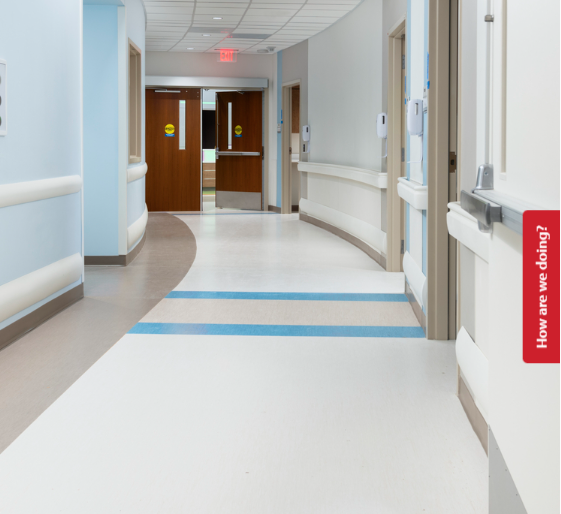
Hospital corridors, patient rooms, emergency departments, nursing stations, elevators, and treatment areas can experience continuous traffic from patients, staff, beds, wheelchairs, carts, and medical equipment.
For these applications, a hospital wall protection system should be selected based on:
- Impact resistance
- Cleanability
- Surface durability
- Seam and joint design
- Installation method
- Fire-performance requirements
- Hygiene requirements
- Local building codes
- Overall project specifications
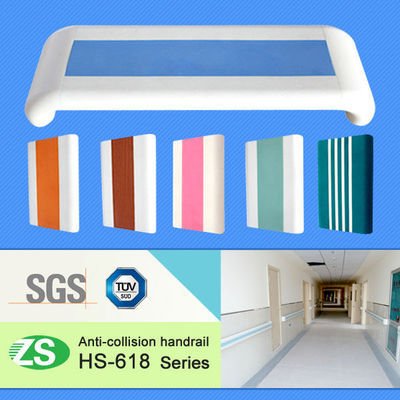
A wall protection system can also be combined with protective handrails and corner guards to provide more comprehensive protection.
What About Schools and Universities?
Schools have a different type of high-traffic challenge.
Students move through corridors, classrooms, cafeterias, sports facilities, and common areas throughout the day. Walls can be exposed to furniture movement, backpacks, carts, sports equipment, and accidental impacts.
A suitable school wall protection panel should therefore combine durability with an attractive appearance.
For education projects, designers can consider:
- Full-height wall panels
- Partial-height wall protection
- Corridor wall guards
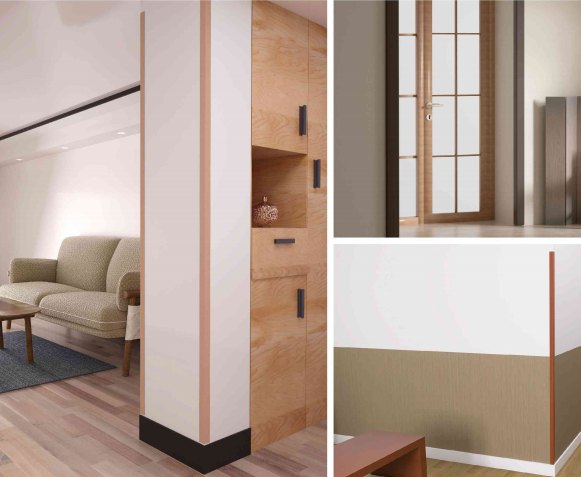
- Corner protection
- Decorative impact-resistant panels
- Protective handrails
The goal is not simply to make walls stronger. It is to create a surface that can continue looking good despite intensive daily use.
Are PVC Wall Panels Good for Commercial Wall Protection?
PVC wall protection panels can be an effective option for many commercial environments, particularly where easy cleaning, impact resistance, design flexibility, and practical maintenance are important.
However, the exact performance depends on the product construction, thickness, formulation, installation system, and applicable certifications.
When comparing suppliers, commercial buyers should not evaluate a wall panel based only on the word "PVC."
Instead, ask:
- What is the panel thickness?
- What is the impact resistance?
- What surface finish is available?
- How is it installed?
- What substrate is recommended?
- Is the product suitable for healthcare applications?
- What fire-performance documentation is available?
- What cleaning methods are supported?
- Can colors and dimensions be customized?
- Can the manufacturer provide samples and technical documents?
These questions help architects, contractors, distributors, and project buyers make a more informed purchasing decision.
Full Wall Protection vs. Wall Guards: Which Is Better?
There is no universal answer.
Full Wall Protection Panels
Full-height or large-area wall protection panels are particularly suitable when the project requires extensive protection.
Typical applications include:
- Hospital corridors
- Healthcare facilities
- Schools
- Nursing homes
- Public buildings
- Commercial corridors
Wall Guards
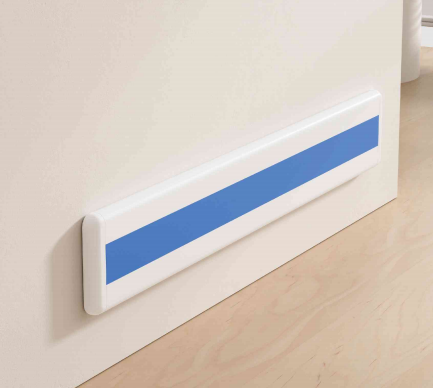
Wall guards are often more suitable when only the most vulnerable sections of a wall need protection.
They can be installed along corridors, near doors, around high-impact areas, or at specific heights.
Corner Guards
Corners are particularly vulnerable to impact.
A complete commercial wall protection solution may therefore combine:
Wall Panels + Wall Guards + Corner Guards + Protective Handrails
This creates a more comprehensive protection system instead of relying on one product alone.
What Should Contractors and Distributors Look for in a Wall Panel Manufacturer?
For B2B buyers, choosing the product is only part of the decision.
The manufacturer and supplier can be equally important.
A reliable commercial wall protection manufacturer should be able to provide:
Product Support
Technical specifications, installation instructions, product samples, colors, dimensions, and customization options.
Project Support
Assistance with product selection, drawings, quantities, installation details, and project requirements.
Manufacturing Capability
Stable production capacity, quality control, packaging, and international shipping experience.
OEM & Customization
For distributors and project suppliers, customized colors, dimensions, packaging, branding, and product configurations can create additional market opportunities.
After-Sales Support
Installation guidance and responsive technical support can reduce problems during project execution.
Why Choose a Complete Wall Protection System?
High-traffic buildings rarely have only one type of wall damage.
A hospital corridor, for example, may need:
Impact protection → Wall panels
Handrail protection → Protective handrails
Corner protection → Corner guards
High-risk areas → Additional wall guards
Instead of purchasing individual products from multiple suppliers, contractors and distributors can benefit from a coordinated commercial wall protection system.
This can simplify:
- Product selection
- Color matching
- Project procurement
- Installation
- Logistics
- Technical communication
- After-sales service
How to Choose the Right Commercial Wall Panel
Before placing an order, consider these five questions:
1. Where will the product be installed?
Hospital, school, hotel, office, airport, nursing home, retail facility, or another commercial environment?
2. How much impact will the wall receive?
Low, medium, or heavy traffic?
3. What maintenance requirements exist?
Does the facility require frequent cleaning or specialized cleaning procedures?
4. What design is required?
Consider colors, textures, surface finishes, dimensions, and integration with the interior design.
5. What project standards apply?
Always verify applicable local building regulations, fire requirements, hygiene requirements, and project specifications with the architect, contractor, or authority having jurisdiction.
A Better Approach to Commercial Wall Protection
The best wall panel is not necessarily the thickest, cheapest, or most attractive product.
The best wall panel is the one that matches the building's traffic level, protection requirements, maintenance needs, design expectations, and project budget.
For high-traffic commercial buildings, a professionally designed wall protection system can provide a practical balance between:
Durability + Protection + Cleanability + Appearance + Long-Term Value
This is why commercial wall protection panels are increasingly considered an important part of the building's interior infrastructure rather than simply another decorative wall finish.
Looking for a Commercial Wall Protection Supplier?
If you are a distributor, wholesaler, contractor, architect, project supplier, or building-material buyer, choosing the right manufacturer can make a significant difference to your project and long-term business.
A professional wall protection manufacturer can provide more than individual panels. The right partner can support you with wall protection panels, wall guards, corner guards, protective handrails, OEM customization, project support, samples, and international supply.
If you are sourcing wall protection products for hospitals, schools, hotels, nursing homes, commercial buildings, or other high-traffic facilities, now is the right time to evaluate the complete solution rather than comparing panel prices alone.
Looking for a reliable wall protection manufacturer or distributor partner? Contact us to discuss your project, product requirements, and market opportunities.
Best Wall Panel for High-Traffic Commercial Buildings | Wall Protection Guide
Meta Description:
Discover how to choose the best wall panel for high-traffic commercial buildings, including hospitals, schools, hotels, and public facilities. Compare impact resistance, cleanability, durability, and commercial wall protection solutions.
Primary Keyword:best wall panel for high-traffic commercial buildings
Secondary Keywords:
- commercial wall protection panels
- wall protection panel
- commercial wall panels
- hospital wall protection
- hospital wall protection panels
- school wall protection
- impact resistant wall panels
- PVC wall protection panels
- wall guard manufacturer
- wall protection manufacturer
- commercial wall guard
- healthcare wall protection
- wall protection supplier
- wall protection distributor
FAQ Questions:
What is the best wall panel for high-traffic commercial buildings?
The best wall panel depends on the building's traffic level, impact requirements, maintenance needs, design requirements, and applicable project standards. Impact-resistant commercial wall protection panels are commonly considered for hospitals, schools, hotels, and other high-traffic facilities.
Are PVC wall panels suitable for commercial buildings?
PVC wall panels can be suitable for many commercial applications because they can offer durability, cleanability, design flexibility, and practical maintenance. Product specifications and certifications should be verified for each project.
What is the best wall protection for hospital corridors?
Hospital corridors may benefit from a complete wall protection system combining wall protection panels, wall guards, corner guards, and protective handrails, depending on traffic and project requirements.
What is the difference between wall panels and wall guards?
Wall panels generally protect a larger wall surface, while wall guards are often installed on specific high-impact areas. They can also be used together as part of a complete wall protection system.
How do I choose a wall protection manufacturer?
Look for a manufacturer with consistent production capacity, technical documentation, customization capabilities, quality control, project support, and experience supplying international commercial projects.
Who buys commercial wall protection panels?
Typical B2B buyers include distributors, wholesalers, contractors, architects, project suppliers, healthcare construction companies, hotel developers, and facility-management companies.
Comment 0
Hot News
Aug 06,2026
How to Choose Medical Grab Rails That Boost Safety and Independence
How to Choose Medical Grab Rails That Boost Safety and Independence
View more
Nov 04,2025

The Director of the Civil Affairs Bureau of Panjin City, Liaoning Province, visited Hang Seng Holdings Group for inspection and guidance, and jointly sought a new chapter in the development of the silver economy
In order to thoroughly implement General Secretary Xi Jinping's important instructions on aging work, on August 12th, the Director of the Civil Affairs Bureau...
View more
Dec 08,2025
Corner Protectors: The Ultimate Guide to Wall Corner Protection for Commercial & Residential Spaces
Corner Protectors: The Ultimate Guide to Wall Corner Protection for Commercial & Residential Spaces
View more
Jun 15,2026
Grab Bars have evolved beyond purely functional safety tools
Grab Bars have evolved beyond purely functional safety tools.
View more
Hot Search Term
Pension
Health
Hospital
Hospital
MESSAGE
BOARD
Related Articles
How to Choose the Right Size of Wall Corner Guard

How to Choose the Right Size of Wall Corner Guard
How to Choose the Right Size of Wall Corner Guard
View more
How Much Does It Cost to Import Medical Wall Corner Guards from China?

How Much Does It Cost to Import Medical Wall Corner Guards from China?
How Much Does It Cost to Import Medical Wall Corner Guards from China?
View more
What Real-World Application Cases Prove That Heavy-Duty Bath Safety Handrails Cut Bathroom Fall Risks by 85%?
What Real-World Application Cases Prove That Heavy-Duty Bath Safety Handrails Cut Bathroom Fall Risks by 85%?
What Real-World Application Cases Prove That Heavy-Duty Bath Safety Handrails Cut Bathroom Fall Risks by 85%?
View more
Protective Handrail: Advantages, Limitations and How to Choose the Right Wall Protection Solution
Protective Handrail: Advantages, Limitations and How to Choose the Right Wall Protection Solution
Protective Handrail: Advantages, Limitations and How to Choose the Right Wall Protection Solution
View more







Shandong Hengsheng Zhinian Co., Ltd
Friendship links


