






Product
Product
News
Cases
search
How to Choose the Right Protective Handrail Manufacturer for Your Business

2026-08-28 11:26:05

439

0

133

231
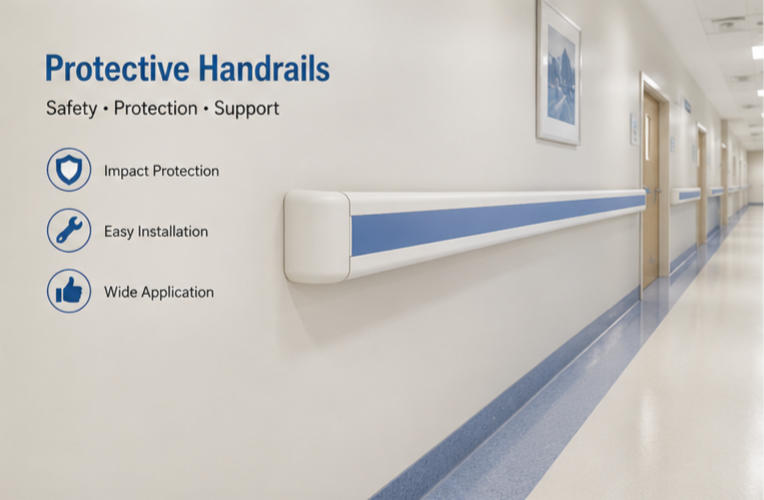
Protective handrails are widely used in hospitals, nursing homes, rehabilitation centers, schools, hotels, public buildings, and commercial facilities. For distributors, wholesalers, contractors, and project suppliers, choosing the right protective handrail manufacturer is critical to product quality and long-term business success.
But what should you consider before choosing a manufacturer?
1. Understand the Manufacturer’s Product Range
A professional protective handrail manufacturer should offer more than one standard model.
Depending on the project, customers may need:
-
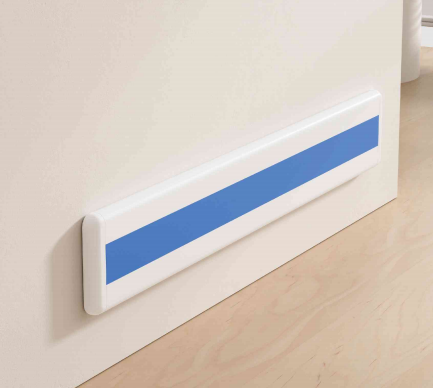
Wall-mounted protective handrails
-
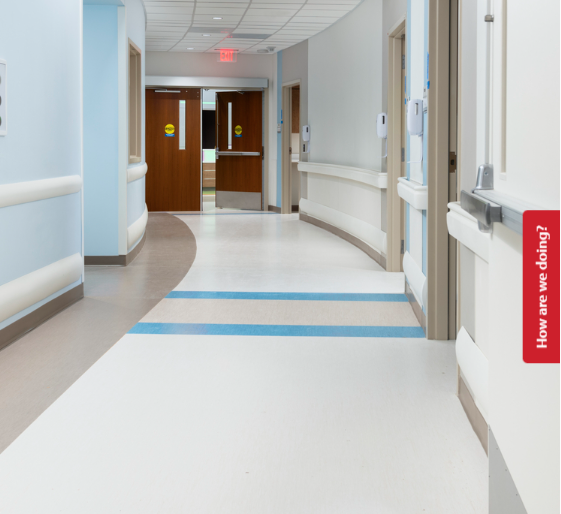
Hospital corridor handrails
-
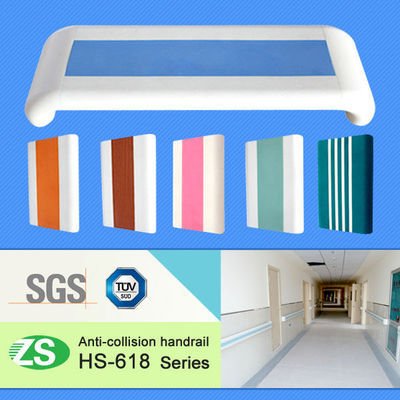
Anti-collision handrails
-
Handrails with aluminum profiles
-
PVC protective handrails
-
Handrails with impact-resistant panels
-
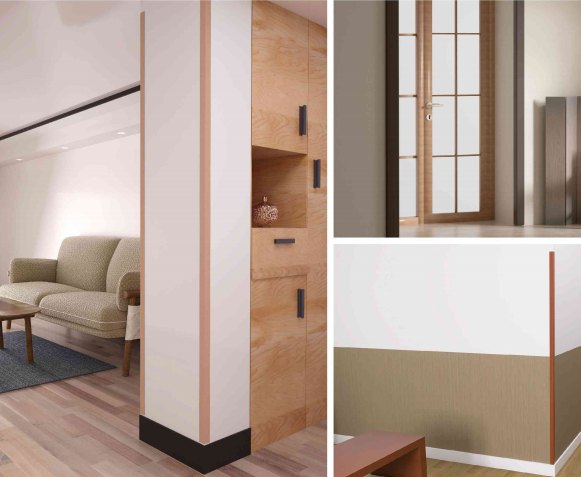
Corner protection systems
-
Complete wall protection solutions
A manufacturer with a complete product range can help distributors provide integrated protection solutions instead of purchasing different products from multiple suppliers.
2. Pay Attention to Impact Resistance
Protective handrails are designed to help protect walls and provide support in high-traffic environments.
Therefore, product structure and impact resistance are important.
When evaluating a manufacturer, ask about the materials, internal structure, aluminum reinforcement, surface durability, brackets, and connection systems.
For hospitals and healthcare facilities, the product should also be easy to clean and suitable for frequent daily use.
3. Evaluate Installation Design
A good protective handrail should not only look attractive—it should also be practical to install.
Check whether the manufacturer provides:
-
Installation accessories
-
Mounting brackets
-
End caps
-
Connectors
-
Corner components
-
Installation instructions
-
CAD drawings or technical documents
A complete installation system can make a major difference for contractors and engineering companies.
4. Look for Customization Capability
Different architectural projects often require different colors, sizes, surface finishes, and configurations.
A reliable manufacturer should be able to support customized product solutions, including:
-
Color matching
-
Length
-
Product profile
-
Logo
-
Packaging
-
Accessories
-
Project-specific configurations
OEM and ODM capability can also help distributors create their own branded product lines.
5. Check Manufacturing Quality
Before placing a large order, inspect product samples and evaluate the overall finish.
Pay attention to:
-
Surface quality
-
Color consistency
-
Dimensional accuracy
-
Bracket strength
-
Connection quality
-
Impact resistance
-
Packaging
Consistent quality is especially important when supplying large hospital or commercial projects.
6. Consider Project and Export Experience
If you are an overseas distributor or contractor, choose a manufacturer that understands international projects.
Experience with hospitals, nursing homes, schools, hotels, and public buildings can be valuable because these projects often require customized dimensions, technical documentation, and coordinated delivery.
7. Compare Total Value Instead of Only Price
The cheapest protective handrail is not necessarily the most cost-effective.
Consider the complete value:
Product quality + installation efficiency + durability + customization + packaging + delivery + technical support.
A reliable manufacturer can help reduce installation problems, product replacement costs, and project delays.
8. Build a Long-Term Partnership
For distributors and wholesalers, a protective handrail manufacturer should be able to support long-term business development.
The ideal partner should provide stable supply, new product development, marketing materials, technical assistance, and responsive communication.
Final Thoughts
Choosing the right protective handrail manufacturer is about finding a balance between quality, safety, production capacity, customization, price, and service.
Whether you are a distributor, wholesaler, contractor, architect, engineering company, or project buyer, working directly with an experienced protective handrail manufacturer can help you build a stronger and more competitive wall protection business.
If you are looking for a manufacturer for your next hospital, nursing home, school, hotel, or commercial project, start by requesting product samples, technical specifications, customization options, and a detailed quotation before making your final decision.
Comment 0
Hot News
Aug 06,2026
How to Choose Medical Grab Rails That Boost Safety and Independence
How to Choose Medical Grab Rails That Boost Safety and Independence
View more
Nov 04,2025
The Director of the Civil Affairs Bureau of Panjin City, Liaoning Province, visited Hang Seng Holdings Group for inspection and guidance, and jointly sought a new chapter in the development of the silver economy
In order to thoroughly implement General Secretary Xi Jinping's important instructions on aging work, on August 12th, the Director of the Civil Affairs Bureau...
View more
Dec 08,2025
Corner Protectors: The Ultimate Guide to Wall Corner Protection for Commercial & Residential Spaces
Corner Protectors: The Ultimate Guide to Wall Corner Protection for Commercial & Residential Spaces
View more
Jun 15,2026
Grab Bars have evolved beyond purely functional safety tools
Grab Bars have evolved beyond purely functional safety tools.
View more
Hot Search Term
Pension
Health
Hospital
Hospital
MESSAGE
BOARD
Related Articles
How to Choose the Right Size of Wall Corner Guard

How to Choose the Right Size of Wall Corner Guard
How to Choose the Right Size of Wall Corner Guard
View more
How Much Does It Cost to Import Medical Wall Corner Guards from China?

How Much Does It Cost to Import Medical Wall Corner Guards from China?
How Much Does It Cost to Import Medical Wall Corner Guards from China?
View more
What Real-World Application Cases Prove That Heavy-Duty Bath Safety Handrails Cut Bathroom Fall Risks by 85%?
What Real-World Application Cases Prove That Heavy-Duty Bath Safety Handrails Cut Bathroom Fall Risks by 85%?
What Real-World Application Cases Prove That Heavy-Duty Bath Safety Handrails Cut Bathroom Fall Risks by 85%?
View more
Protective Handrail: Advantages, Limitations and How to Choose the Right Wall Protection Solution
Protective Handrail: Advantages, Limitations and How to Choose the Right Wall Protection Solution
Protective Handrail: Advantages, Limitations and How to Choose the Right Wall Protection Solution
View more







Shandong Hengsheng Zhinian Co., Ltd
Friendship links


