






Product
Product
News
Cases
search
Protective Handrail Buying Guide: 10 Things Importers Should Know

2026-08-31 10:35:20

384

0

325

433
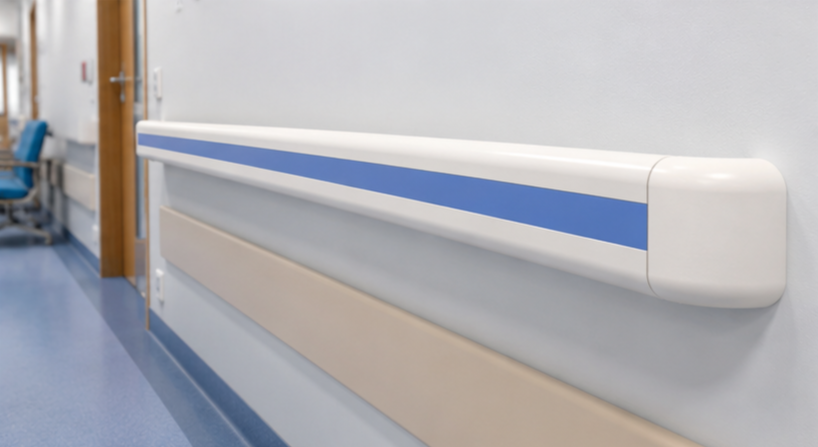
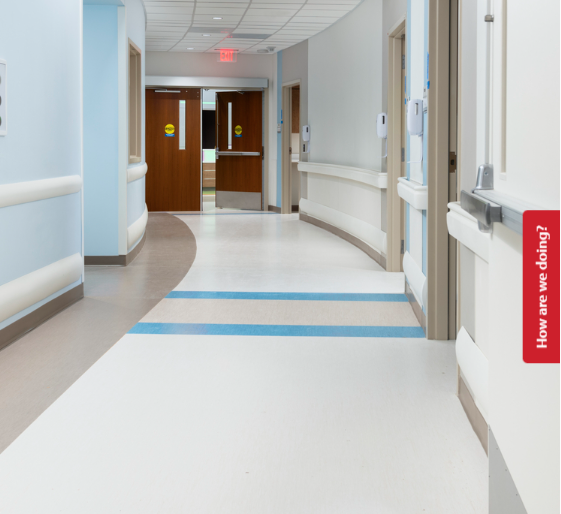
Protective handrails are widely used in hospitals, nursing homes, rehabilitation centers, elderly-care facilities, schools, hotels, and other public buildings.
However, choosing the right handrail for a project involves much more than selecting a color or comparing prices.
For distributors, contractors, architects, and importers, product structure, wall protection, installation, materials, accessories, and long-term durability all need to be considered.
Here are 10 important factors to check before purchasing protective handrails.
1. Understand the Application
Different buildings have different requirements.
Protective handrails can be used in:
-
Hospitals
-
Nursing homes
-
Rehabilitation centers
-
Elderly-care facilities
-
Clinics
-
Schools
-
Hotels
-
Public buildings
-
Commercial facilities
The intended application should determine the product structure and configuration.
2. Check the Handrail Material
Material selection affects durability, appearance, cleaning, and long-term performance.
Depending on the product system, components may include PVC, aluminum, stainless steel, ABS, or other materials.
Ask the manufacturer to provide complete product specifications rather than evaluating the handrail based only on its appearance.
3. Consider Wall Protection Performance
A protective handrail often has two functions:
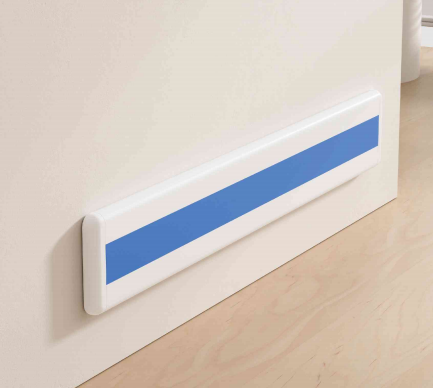
Supporting users + Protecting walls
In hospitals and other high-traffic buildings, walls may be exposed to impacts from beds, wheelchairs, carts, and daily traffic.
A well-designed handrail system can help reduce direct impact on the wall surface.
4. Look at the Internal Structure
The visible outer layer is only one part of a professional handrail system.
Depending on the design, a protective handrail may include an outer cover, aluminum reinforcement, brackets, end caps, and other components.
The internal structure can influence:
-
Impact resistance
-
Load performance
-
Installation stability
-
Service life
Ask the manufacturer for drawings or technical information when evaluating products for projects.
5. Check Installation Requirements
Installation affects both project cost and final performance.
Before ordering, confirm:
-
Bracket spacing
-
Installation height
-
Wall substrate requirements
-
Fasteners
-
End caps
-
Corners
-
Joint treatment
-
Installation accessories
A complete system is often easier for contractors to install than purchasing individual components from different suppliers.
6. Consider Different Wall Conditions
Not every building has the same wall structure.
A project may involve concrete walls, brick walls, gypsum board, partitions, or other substrates.
The installation method and fixing accessories may need to be adjusted according to the wall structure.
For large projects, it is useful to provide drawings and installation guidance to the contractor.
7. Choose the Right Color and Design
Healthcare environments traditionally use practical colors, but modern facilities increasingly pay attention to interior design.
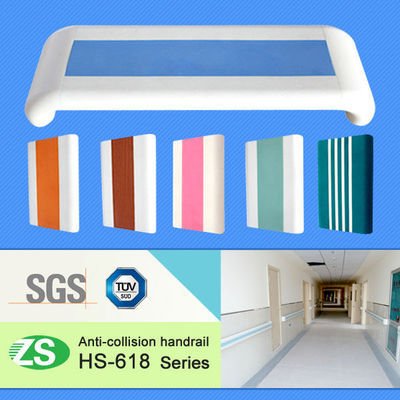
Manufacturers may provide different colors, textures, and decorative options.
For hospitals, hotels, schools, and elderly-care facilities, a protective handrail can become part of the overall interior design rather than simply a functional product.
8. Think About Cleaning and Maintenance
Healthcare and public buildings require frequent cleaning.
The surface should be suitable for routine cleaning according to the manufacturer's recommended maintenance procedures.
Importers should ask about cleaning methods, surface durability, replacement components, and long-term maintenance.
9. Check OEM and Project Customization
Large distributors and project contractors may require customized solutions.
Potential OEM options can include:
-
Custom colors
-
Brand logos
-
Product dimensions
-
Packaging
-
Product configurations
-
Project-specific accessories
For international projects, customized production can help distributors provide a more complete solution to their customers.
10. Evaluate the Manufacturer, Not Just the Product
A protective handrail is often part of a larger wall protection project.
Therefore, supplier capability matters.
Before placing an order, evaluate:
-
Manufacturing experience
-
Production capacity
-
Quality control
-
Product range
-
OEM capability
-
Technical support
-
Packaging
-
Export experience
-
Project support
-
After-sales service
A factory capable of supplying handrails, wall guards, corner guards, and related wall protection products can provide greater value for contractors and distributors.
Why Choose a Complete Wall Protection Solution?
For hospitals, nursing homes, schools, hotels, and commercial buildings, purchasing a complete wall protection system can simplify project management.
A coordinated product range may include:
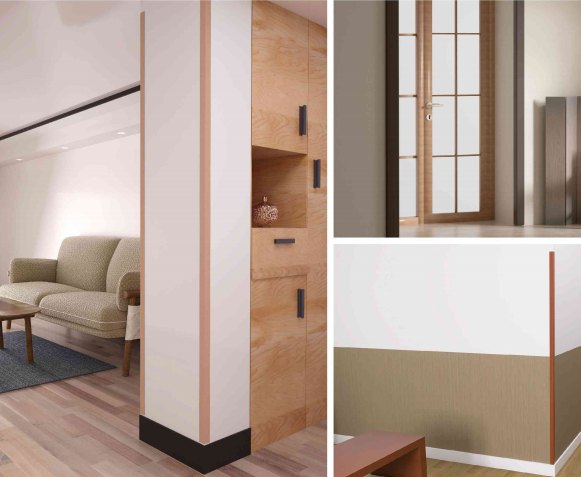
Protective Handrails + Wall Guards + Corner Guards + Door Protection + Accessories
This approach allows contractors and distributors to create a consistent protection system throughout the building.
Looking for a Protective Handrail Manufacturer?
If you are a distributor, wholesaler, contractor, architect, healthcare supplier, or project buyer, we can provide protective handrail solutions for different commercial and healthcare applications.
Contact us to discuss your project requirements, product specifications, OEM options, samples, and bulk purchasing plans.
Protective Handrail
- Protective Handrail Buying Guide
- Hospital Handrail Buying Guide
- Wall Protection System Buying Guide
- Protective Handrail vs. Wall Guard
- How to Choose a Hospital Wall Protection Manufacturer
Comment 0
Hot News
Aug 06,2026
How to Choose Medical Grab Rails That Boost Safety and Independence
How to Choose Medical Grab Rails That Boost Safety and Independence
View more
Nov 04,2025
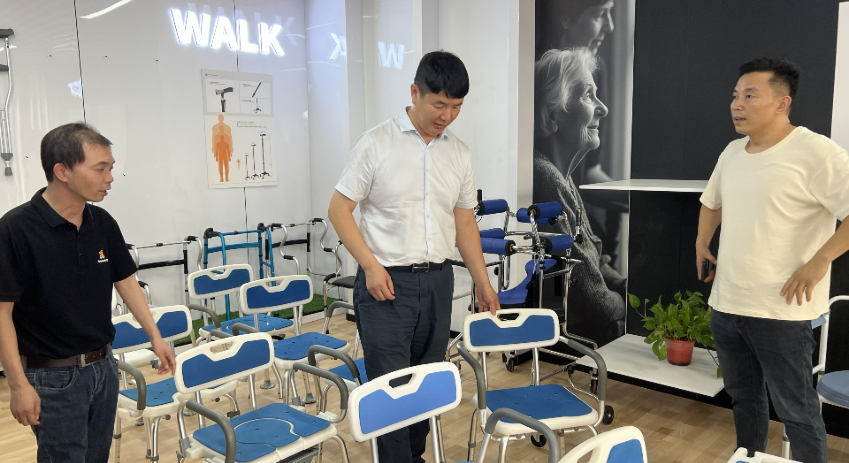
The Director of the Civil Affairs Bureau of Panjin City, Liaoning Province, visited Hang Seng Holdings Group for inspection and guidance, and jointly sought a new chapter in the development of the silver economy
In order to thoroughly implement General Secretary Xi Jinping's important instructions on aging work, on August 12th, the Director of the Civil Affairs Bureau...
View more
Dec 08,2025
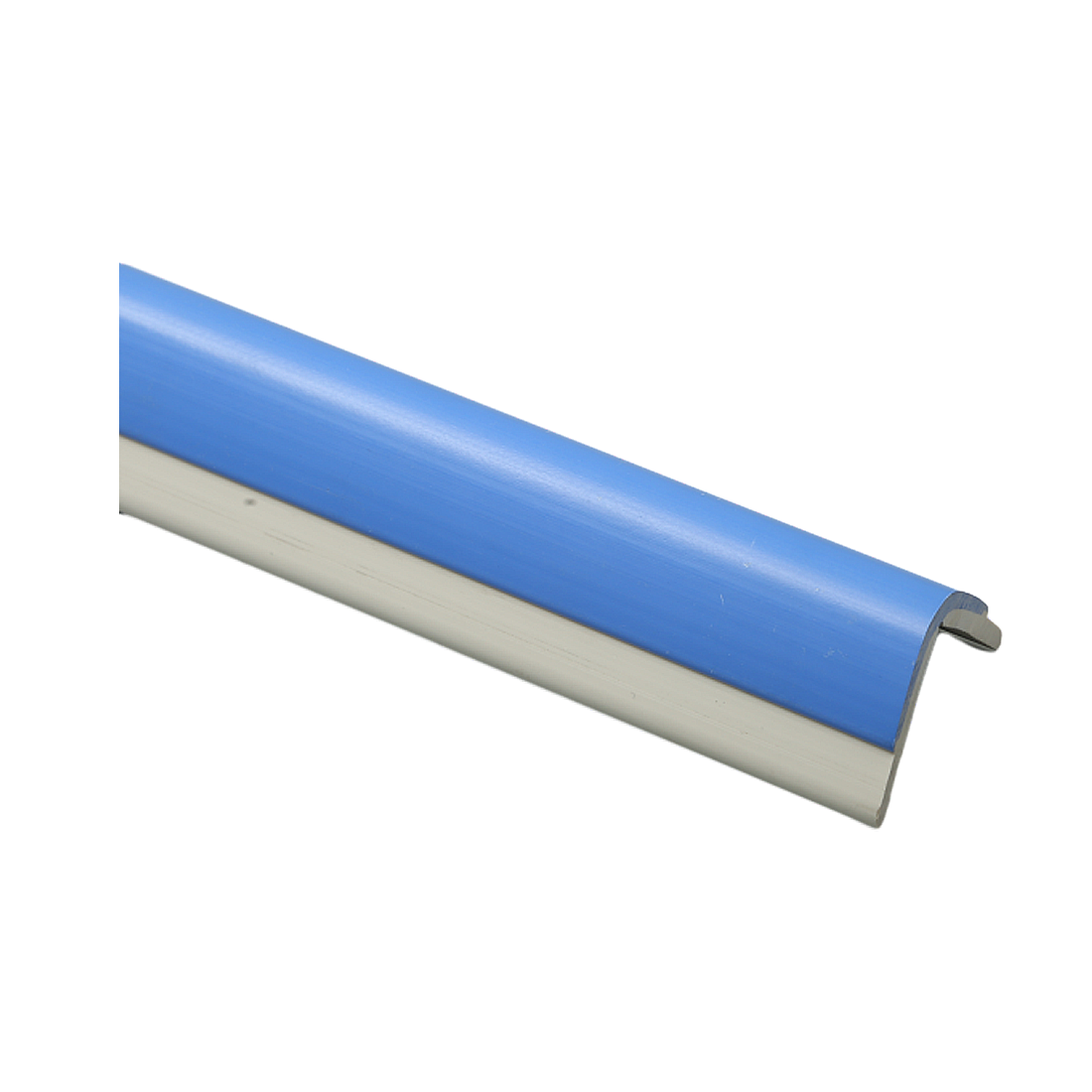
Corner Protectors: The Ultimate Guide to Wall Corner Protection for Commercial & Residential Spaces
Corner Protectors: The Ultimate Guide to Wall Corner Protection for Commercial & Residential Spaces
View more
Jun 15,2026
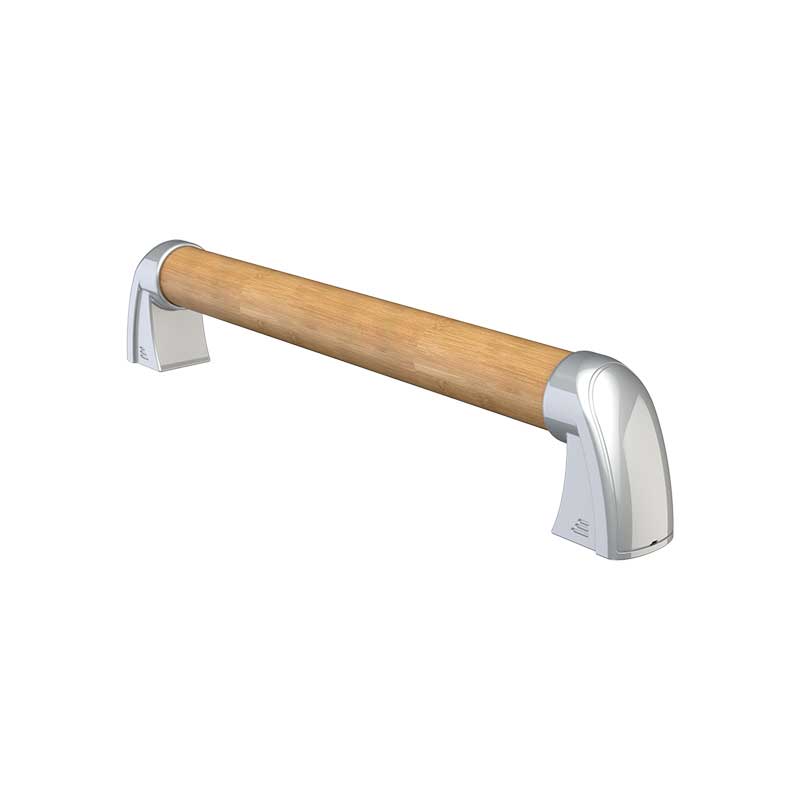
Grab Bars have evolved beyond purely functional safety tools
Grab Bars have evolved beyond purely functional safety tools.
View more
Hot Search Term
Pension
Health
Hospital
Hospital
MESSAGE
BOARD
Related Articles
How to Choose the Right Size of Wall Corner Guard

How to Choose the Right Size of Wall Corner Guard
How to Choose the Right Size of Wall Corner Guard
View more
How Much Does It Cost to Import Medical Wall Corner Guards from China?

How Much Does It Cost to Import Medical Wall Corner Guards from China?
How Much Does It Cost to Import Medical Wall Corner Guards from China?
View more
What Real-World Application Cases Prove That Heavy-Duty Bath Safety Handrails Cut Bathroom Fall Risks by 85%?
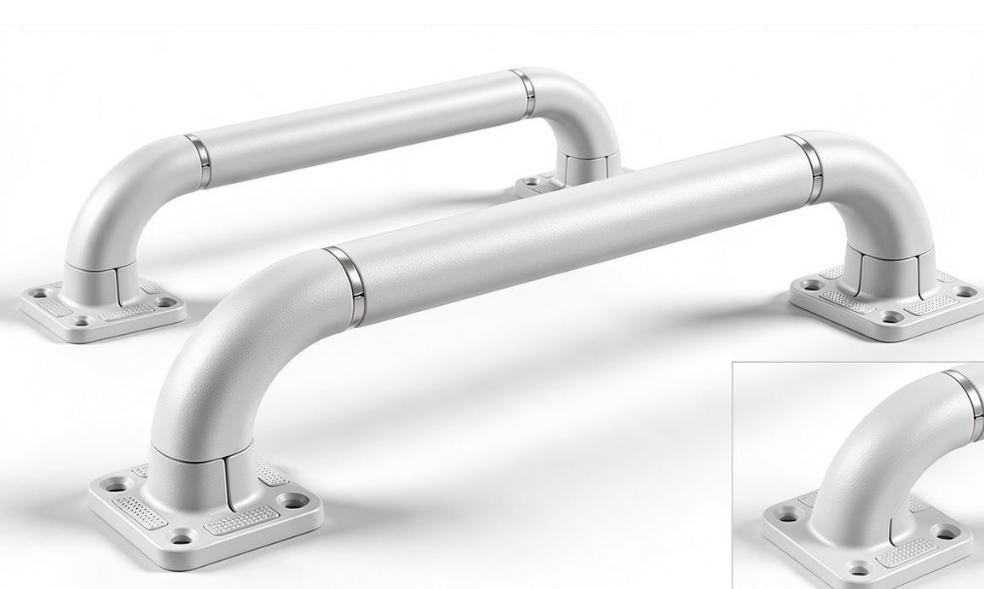
What Real-World Application Cases Prove That Heavy-Duty Bath Safety Handrails Cut Bathroom Fall Risks by 85%?
What Real-World Application Cases Prove That Heavy-Duty Bath Safety Handrails Cut Bathroom Fall Risks by 85%?
View more
Protective Handrail: Advantages, Limitations and How to Choose the Right Wall Protection Solution
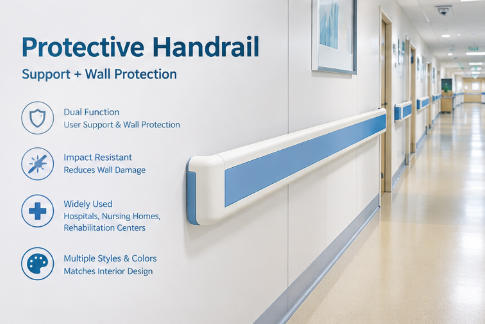
Protective Handrail: Advantages, Limitations and How to Choose the Right Wall Protection Solution
Protective Handrail: Advantages, Limitations and How to Choose the Right Wall Protection Solution
View more







Shandong Hengsheng Zhinian Co., Ltd
Friendship links


